Follow Us:

Get A Quote


When sourcing security perimeters for large-scale agricultural or industrial projects, the primary challenge often lies in balancing structural integrity with cost-efficiency. Many procurement managers struggle to identify a wholesale woven wire fence solution that resists environmental corrosion while maintaining the flexibility required for uneven terrain. The choice of material and weave density directly impacts the longevity of the installation and the overall security of the assets being protected.
The significance of selecting the right mesh configuration extends beyond simple containment. In the context of metal fencing, the interaction between the wire gauge and the surface treatment—such as galvanization or PVC coating—determines whether a fence will last five years or twenty-five. For professionals dealing with Gabion Boxes, Hexagonal Wire Mesh, or Welded Wire Mesh, understanding these technical nuances is critical to avoiding premature failure and costly replacements in harsh outdoor environments.
This analysis explores the technical determinants of high-performance wire fencing and provides a framework for evaluating wholesale options. By examining the relationship between material science and practical application, we aim to guide buyers toward sustainable investments. For those seeking reliable industrial standards, exploring wholesale woven wire fence options provides a starting point for securing professional-grade boundary solutions.


Woven wire fencing is engineered by interlacing vertical and horizontal wires to create a stable, cohesive mesh. Unlike welded systems, the structural integrity of a woven fence relies on the mechanical tension and the specific pattern of the weave, which allows the fence to absorb impacts and adapt to ground fluctuations without snapping. This makes it an ideal choice for expansive rural boundaries where rigid structures would fail.
The core components include the base wire—typically low carbon steel—and the tensioning elements. The quality of the weave determines the "aperture" or hole size, which is a decisive factor in animal protection or debris filtration. When specified for wholesale, the consistency of these apertures across thousands of meters is what separates industrial-grade products from consumer-grade options.
The longevity of a woven wire system is primarily dictated by the chemistry of its surface treatment. In high-humidity or coastal regions, standard steel oxidizes rapidly. To counter this, hot-dip galvanization is employed, creating a zinc-iron alloy layer that provides sacrificial protection. For environments with high acidity or chemical exposure, a PVC coating is added over the galvanization to provide an impermeable barrier against moisture.
The intersection of wire gauge and coating thickness is the most reliable predictor of a fence's lifecycle; a slight increase in zinc coating weight can exponentially extend the time before the first sign of rust appears in aggressive climates.
Beyond materials, the installation methodology—specifically the use of proper anchor spikes and post spacing—prevents the mesh from sagging. A woven fence that loses tension becomes susceptible to "creep," where the wires shift, creating gaps that compromise the security of the perimeter. Proper tensioning ensures the load is distributed evenly across the entire mesh structure.
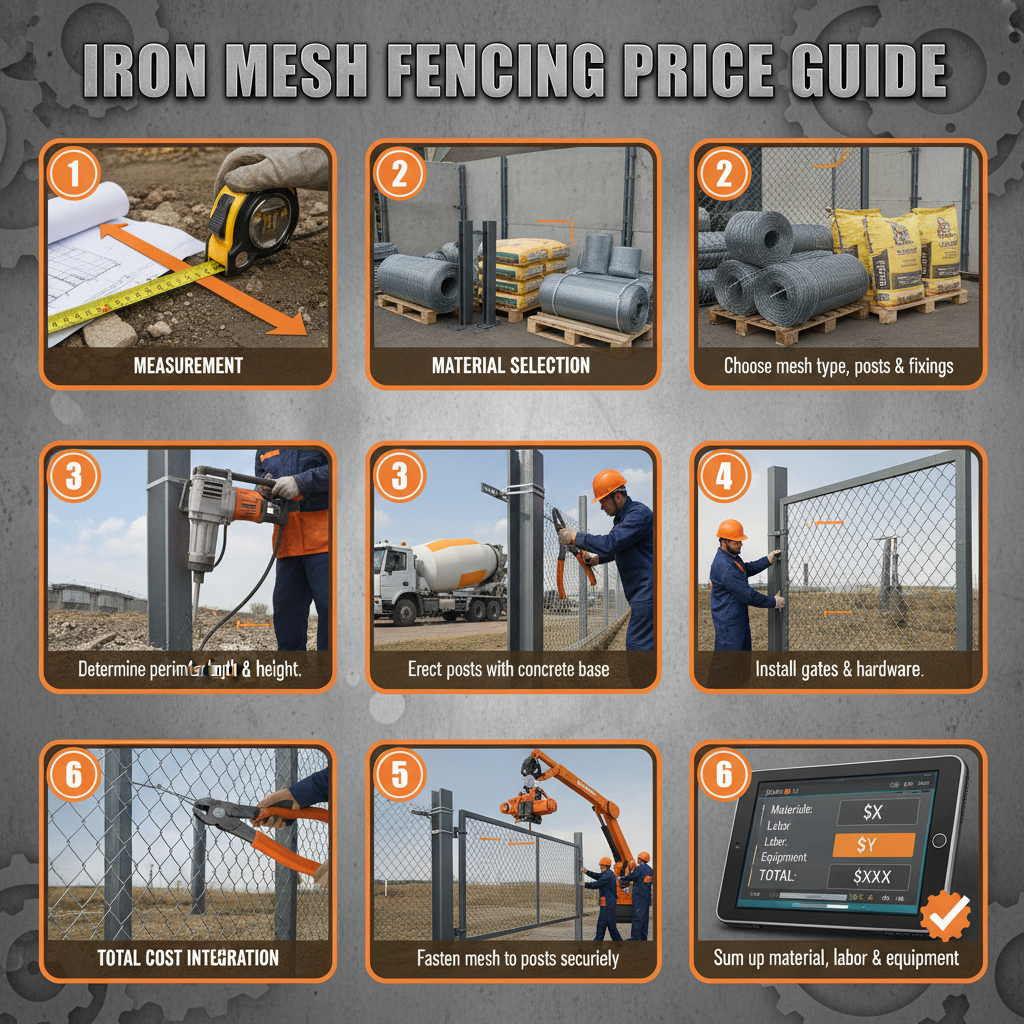
When analyzing the ROI of wholesale fencing, buyers must look beyond the initial price per meter. The true cost is the Total Cost of Ownership (TCO), which includes installation labor and the frequency of maintenance. A cheaper, uncoated wire may save 20% upfront but require full replacement every three years, whereas a galvanized and PVC-coated system may last fifteen years.
Comparing different mesh types allows buyers to optimize spending. For instance, hexagonal wire mesh is more cost-effective for poultry or light garden use, while welded wire mesh is necessary for high-pressure industrial containment. By matching the technical specification to the actual risk level of the site, companies can avoid over-engineering while ensuring safety.
Agricultural sectors utilize woven wire fences primarily for livestock management. The ability of the mesh to flex makes it suitable for hilly pastures where animals might lean against the fence. In these scenarios, a combination of high-tensile wire and galvanized coatings ensures the fence withstands both animal pressure and weather exposure without requiring constant tightening.
In urban and residential contexts, the application shifts toward garden protection and pet containment. Here, the aesthetic appeal of PVC coatings in various colors becomes a priority alongside functionality. The use of specialized products like dog cages or garden gates demonstrates how woven wire technology is adapted from massive field fences to small-scale, high-precision enclosures.
The industry is moving toward "Smart Fencing" integrations, where woven wire structures are paired with sensor arrays to detect perimeter breaches. While the mesh remains the physical barrier, the focus is shifting toward materials that are more eco-friendly and sustainable. Low-carbon steel production is becoming the standard to reduce the environmental footprint of large-scale infrastructure projects.
Another emerging trend is the optimization of coating adherence. New powder-coating techniques provide a more uniform finish than traditional dipping, reducing the likelihood of "pinhole" corrosion. This allows for thinner but more effective protective layers, potentially reducing the overall weight of the material and simplifying the logistics of wholesale transport.
Furthermore, modularity is becoming key. The development of pre-assembled panels that can be quickly linked with professional anchor spikes reduces the reliance on skilled labor for installation. This shift toward "plug-and-play" fencing systems is expected to lower installation costs and shorten project timelines for commercial developers.
One of the most frequent failures in wholesale fencing projects is the mismatch between the wire mesh and the support posts. If the posts are too far apart, the woven wire will sag; if they are too close, the project cost inflates unnecessarily. Calculating the optimal span based on wire gauge is a critical step in the planning phase.
Procurement risks often stem from a lack of quality verification. Variations in the galvanization thickness across a single shipment can lead to uneven corrosion patterns. Professional buyers should demand material certificates and perform random dip-tests to ensure the surface treatment meets the specified micron thickness before the product is installed.
Finally, environmental factors such as soil pH can accelerate the degradation of fence posts and anchor spikes. In highly acidic soils, using PVC-coated posts or concrete footings is necessary to prevent the structure from failing at the ground level, which is the most common point of failure for any woven wire system.
| Environment | Recommended Mesh | Optimal Coating | Key Priority |
|---|---|---|---|
| Coastal/Salt Air | Welded Wire | Galv + PVC | Corrosion Resistance |
| Rural Pasture | Woven Wire | Hot-Dip Galv | Flexibility/Tension |
| Poultry Farm | Hexagonal Mesh | Light Galv | Cost/Aperture Size |
| Industrial Site | Welded Wire | Powder Coated | Rigidity/Strength |
| Garden/Residential | Woven/PVC Mesh | PVC Coated | Aesthetics/Safety |
| River Bank/Slope | Gabion Box | Heavy Galv | Erosion Control |
Woven wire is created by interlacing wires, providing flexibility and the ability to absorb impact without breaking, making it ideal for undulating terrain. Welded wire is formed by fusing wires at every intersection, resulting in a rigid, stable structure that is better for security and high-pressure containment but less adaptable to ground movement.
Selection depends on the environment. For general outdoor use, hot-dip galvanization is sufficient. For coastal areas or high-moisture zones, a PVC-coated galvanized finish is recommended. If the fence is for a residential area where appearance matters, powder coating or colored PVC provides both protection and a professional aesthetic.
While simple garden meshes can be installed manually, wholesale industrial fencing requires tensioning tools to ensure the mesh does not sag. Utilizing professional anchor spikes and post-drivers is essential for a stable installation that maintains its structural integrity over several years.
The primary cost drivers are the wire gauge (thickness), the mesh aperture size, the type of surface treatment (galvanized vs. PVC), and the total volume of the order. Higher zinc coatings and thicker PVC layers increase the price but significantly lower the long-term maintenance costs.
The lifespan varies by coating weight. A standard galvanized fence may last 10-15 years in moderate climates, while a heavy-duty hot-dip galvanized fence with PVC coating can last 20-30 years, depending on the salinity and acidity of the surrounding environment.
The most effective method is to avoid direct soil contact for untreated wire. Using PVC-coated options or elevating the mesh slightly off the ground with a concrete curb prevents moisture from wicking up the wire. Additionally, ensuring the anchor spikes are properly treated prevents corrosion from starting at the base.
Investing in a wholesale woven wire fence requires a strategic focus on material specifications rather than just initial cost. By aligning the wire gauge and coating type with the specific environmental demands of the site, procurement managers can ensure a secure perimeter that minimizes long-term maintenance. The balance between flexibility, durability, and cost is achieved through precise technical selection and professional installation.
For those seeking high-quality metal fencing solutions that adhere to international industrial standards, partnering with an experienced supplier is key. Whether your project requires Gabion Boxes, Welded Wire Mesh, or specialized animal protection fencing, we invite you to explore our comprehensive product range at www.hebeifence.com for professional guidance and competitive wholesale options.