Selecting a reliable pvc hexagonal wire mesh factory is a critical decision for projects requiring long-term corrosion resistance and structural flexibility in demanding environments. In the specialized field of metal wire and mesh manufacturing, PVC-coated hexagonal mesh serves as a primary defense against oxidation, particularly for agricultural and municipal installations where exposure to moisture and chemicals is constant.
Many procurement officers struggle to balance the need for high tensile strength with the requirement for environmental harmony. This often leads to challenges in sourcing materials that provide sufficient protection without sacrificing the ease of installation or increasing transportation costs due to excessive weight.
This guide provides a comprehensive framework for evaluating manufacturing capabilities, understanding the technical advantages of PVC coating, and establishing a procurement standard that ensures material longevity and operational efficiency.

Core Manufacturing Standards for PVC Hex Mesh

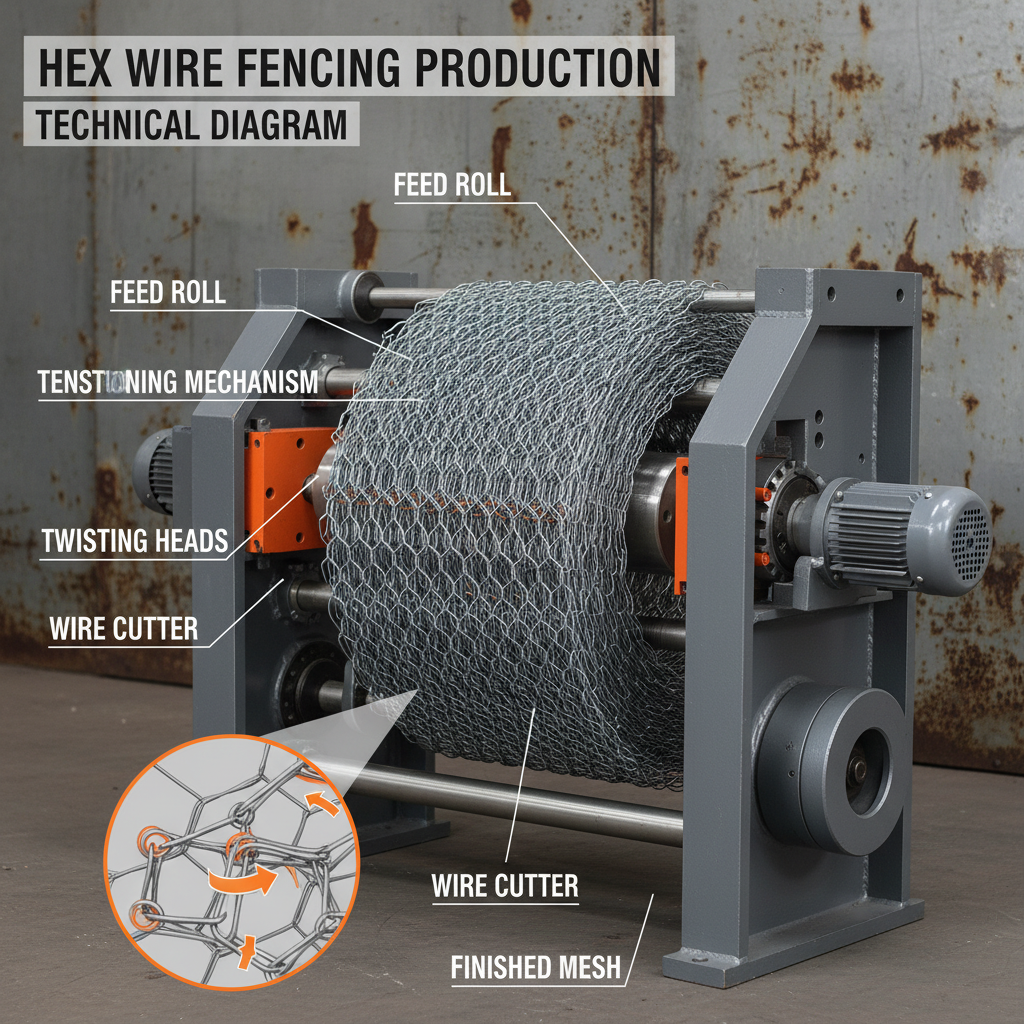
A professional pvc hexagonal wire mesh factory focuses on the synergy between the base wire quality and the coating adhesion. The process typically begins with high-quality low carbon steel wire, which is galvanized to provide a first layer of protection before the PVC coating is applied. This dual-layer approach ensures that even if the outer plastic skin is mechanically breached, the inner galvanized core resists rapid corrosion.
Hebei Xinteli Co., Ltd. utilizes these principles by offering multiple surface treatments, including galvanized and PVC-coated options, to meet specific regional climate demands. The precision of the hexagonal weave is critical; consistent mesh size ensures uniform load distribution and predictable filtration or containment capabilities across the entire roll.
Technical Advantages of PVC Surface Treatment
PVC coating transforms the basic properties of steel wire by introducing a hydrophobic barrier that is chemically stable. Unlike simple galvanization, PVC coating provides a smooth, non-abrasive surface that is safer for animal handling and more aesthetically pleasing for residential garden use. The coating also significantly reduces the risk of rust in saline or acidic environments, which are common in coastal agricultural zones.
From a technical perspective, the coating thickness must be uniform to avoid "thin spots" that could lead to premature failure. A scientific design principle in the coating process ensures that the plastic bonds tightly to the metal, preventing peeling or cracking under thermal expansion and contraction. This results in a product that maintains its integrity through extreme seasonal temperature shifts.
Primary Application Scenarios and Solutions
The versatility of hexagonal wire mesh allows it to be deployed across diverse industries. In agriculture, it is predominantly used for poultry enclosures and animal protection, where the flexibility of the mesh allows it to conform to uneven terrain. In municipal construction, it is frequently applied to protect parks, lawns, and lakes, often using green PVC coating to blend seamlessly with the natural environment.
Beyond basic fencing, these products are implemented as protective belts for highways and railways, and as security barriers for airports and ports. The ability to provide various colors allows for the customization of fences for hotels, supermarkets, and other commercial entertainment venues, ensuring that security requirements do not compromise the architectural design of the facility.
Relative Performance Index by Mesh Configuration
Evaluating the effectiveness of different wire mesh configurations requires a normalized look at key performance indicators. Depending on the gauge of the wire and the thickness of the PVC layer, the mesh varies in its ability to withstand external pressure, resist corrosion, and maintain flexibility during installation. The following conceptual data illustrates the relative performance of five common configurations.
This illustrative framework shows that as wire gauge increases, the load strength increases significantly, while flexibility slightly decreases. For municipal park borders, a mid-range configuration usually provides the optimal balance between aesthetic appeal and sufficient structural protection.
Strategic Sourcing and Supplier Evaluation
When vetting a pvc hexagonal wire mesh factory, buyers should look beyond the unit price and examine the total cost of ownership. Key evaluation metrics include the leading time for production (typically 15-30 days) and the quality of packaging. Using waterproof paper or shrink wrapping is essential to protect the PVC coating from abrasion during transit from ports like Tianjin to the final destination.
A reliable supplier should be capable of providing samples and accepting small trial orders to verify material consistency. Buyers must confirm the base material—such as low carbon steel—and the specific surface treatment process used. This ensures that the product delivered matches the technical specifications required for the project's specific environmental exposure.
Common Deployment Risks and Mitigation
One of the most common failures in wire mesh installation is improper tensioning, which can lead to sagging or the premature stretching of the hexagonal cells. To mitigate this, it is recommended to use appropriate fence post anchor spikes and support structures. Over-tensioning can also put undue stress on the PVC coating, potentially leading to micro-tears that expose the inner wire to moisture.
Another risk involves the use of incorrect cutting tools that may strip the PVC coating at the edges of the mesh. Using precision cutting tools and ensuring that all joints are properly secured prevents localized corrosion. For long-term maintenance, periodic inspections for mechanical damage to the coating are necessary, especially in high-traffic animal enclosures.
Comparison of Wire Mesh Protection Options
Choosing between different types of wire mesh depends on the specific requirements of the application. While PVC hexagonal mesh is ideal for flexibility and corrosion resistance, other options like welded wire mesh offer higher rigidity. The following table compares these approaches based on typical operational dimensions.
| Option Type | Flexibility | Corrosion Resistance | Best Use Case |
|---|---|---|---|
| PVC Hex Mesh | High | Very High | Agriculture/Gardens |
| Galvanized Hex | High | Medium | Dry Climate Fencing |
| PVC Welded Mesh | Low | High | Security Guardrails |
| Galvanized Welded | Low | Medium | Industrial Partitions |
| Iron Wire Mesh | Medium | Low | Temporary Shoring |
| PVC Euro Fence | Low | High | Municipal Boundaries |
As shown, the PVC hexagonal variant stands out for its ability to combine high flexibility with superior environmental protection, making it the preferred choice for non-linear boundaries and animal containment.
Frequently Asked Questions
PVC coating provides a thicker, non-reactive barrier that is more resistant to chemical corrosion and UV exposure than galvanization alone, while also offering a smoother surface that is safer for animals and available in multiple colors for better environmental blending.
Evaluate the factory based on their base material (e.g., low carbon steel), the uniformity of the PVC coating, their ability to provide samples, and their packaging standards to ensure the product is not damaged during shipping.
Standard leading times generally range from 15 to 30 days, depending on the order volume and specific customization requirements for color or mesh size.
While it is excellent for animal and boundary protection, for high-security perimeters, PVC welded wire mesh or specialized Euro-fencing is typically preferred due to their higher rigidity and resistance to cutting.
Green is the most common color as it harmonizes with nature, but most factories can provide various other colors based on the specific requirements of the client.
Proper packaging, such as shrink wrapping or waterproof paper, prevents the PVC coating from being scratched or abraded during ocean freight and inland transport, ensuring the corrosion barrier remains intact upon arrival.
Conclusion
Achieving a balance between durability, flexibility, and cost in wire mesh procurement requires a deep understanding of material science and manufacturing processes. By focusing on the quality of the base low carbon steel and the precision of the PVC coating, users can ensure their installations remain effective and visually appealing for years, regardless of environmental challenges.
For those evaluating specific technical requirements or seeking a reliable supply chain partner, detailed product information and custom specifications can be reviewed at www.hebeifence.com to match the solution to the project needs.