
Dec . 25, 2024 02:04 Back to list
1 in x 4 ft x 50 ft poultry netting
The Benefits of Using 1% Poultry Netting for Farm Management
Poultry farming has evolved significantly over the years, incorporating advanced technologies and sustainable practices to enhance productivity and animal welfare. One such innovation is the use of specialty netting, such as 1% poultry netting, measuring 4 ft x 50 ft. This type of netting has gained popularity among farmers for its effectiveness in protecting poultry, improving farm management, and ensuring the safety and health of the birds.
Understanding 1% Poultry Netting
1% poultry netting is a specific type of barrier designed to protect flocks of chickens, ducks, and other birds from predators while allowing for adequate airflow and sunlight. With dimensions of 4 feet in height and 50 feet in length, this netting is versatile enough to be used in various configurations, whether in small backyards or larger commercial operations. The term 1% refers to the netting's effectiveness in reducing predator access and exposure, serving as a reliable barrier against various threats.
Enhanced Safety for Poultry
One of the primary advantages of using poultry netting is safety. Ground predators, such as raccoons, foxes, and hawks, are common threats to free-range poultry. 1% poultry netting acts as a physical barrier, preventing these animals from accessing the flock. This type of netting is designed with a strong weave that can withstand aggressive attempts at penetration, ensuring that the poultry remains safe at all times.
Furthermore, by containing the birds within a designated area, poultry farmers can reduce the risk of their flock wandering into potentially dangerous zones, such as roads or areas inhabited by other animals. It creates a controlled environment where birds can roam freely without constant fear of predation.
Economic Efficiency
Investing in quality netting, such as the 1% poultry netting, can also lead to significant cost savings in the long run. While initial expenditures for high-quality materials may be higher, the durability and effectiveness of the netting reduce the likelihood of losses due to predation. This reduction in mortality can lead to more consistent egg production and healthier growth rates, ultimately increasing the farmer's bottom line.
1 in x 4 ft x 50 ft poultry netting
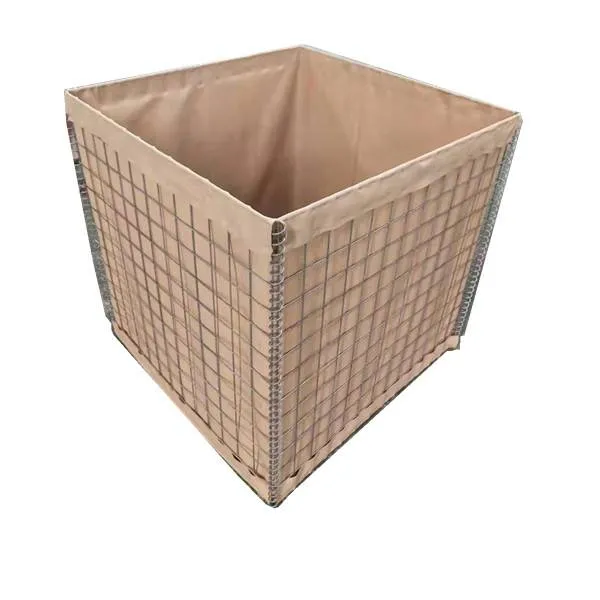
Additionally, maintaining a safe and contained environment for poultry minimizes veterinary costs associated with injuries or illnesses caused by stress and predator attacks. By protecting the flock, farmers can focus their resources on other critical aspects of their operations, such as feeding, breeding, and market strategies.
Improved Work Environment
For farmers, the physical benefits of using poultry netting extend beyond safety. The stability that a well-structured netting system provides allows for a more organized and stress-free working environment. Farmers can tend to their flocks knowing that the birds are secure, allowing for better monitoring and care.
Moreover, the ease of installation and flexibility of poultry netting means that farmers can adapt their setups as necessary. Whether expanding their flock or modifying their land use, this netting can be reconfigured to meet changing needs without significant additional costs or labor.
Sustainability and Welfare
Poultry netting systems contribute positively to sustainability practices in agriculture. By protecting free-range poultry, farmers can promote natural behaviors in their flocks, including foraging and socialization, which are crucial for their overall welfare.
Sustainable farming involves ensuring that farming practices not only yield financial returns but also support the environment and promote animal welfare. Using netting helps strike a balance between the necessity of protecting livestock and allowing them to engage in natural behaviors, thereby reinforcing the ethical obligations farmers have towards their animals.
Conclusion
In conclusion, the adoption of 1% poultry netting measuring 4 ft x 50 ft is an impactful decision for poultry farmers looking to enhance flock safety, reduce economic losses, maintain a well-organized farming environment, and promote sustainability. Its ability to effectively deter predators while allowing poultry to thrive in a controlled setting makes it an invaluable resource in modern poultry farming practices. As agriculture continues to evolve, embracing such innovations will be key to ensuring the future success and sustainability of the industry.
-
PVC Coated Iron Wire or 3D Fence Panels: Match the Format to the Job
NewsNov.09,2026
-
Garden Wire Fencing PVC Coated: Buyer Questions Answered
NewsNov.03,2026
-
PVC Coated Hexagonal Wire Netting vs. Galvanized Hexagonal Chicken Wire Mesh: Mesh Geometry, Coatings and Installation Requirements
NewsOct.29,2026
-
3D Euro Panel Fence Manufacturer Selection Guide: Opening Size, Wire Diameter and PVC Coated Panel Applications
NewsOct.27,2026
-
Hexagonal Wire Mesh Price: Choosing Gabion Box Mesh by Opening Size, Wire Diameter and Application
NewsOct.27,2026
-
Choosing a Dog Crate: Application Fit and Specification Checks
NewsOct.22,2026