
Dec . 28, 2024 18:00 Back to list
60 inch field fence
The Versatile 60% 20 Inch Field Fence A Comprehensive Guide
In the realm of agricultural practices and landscaping, fencing plays a crucial role in ensuring security, defining boundaries, and enhancing the aesthetic appeal of a property. One notable option that has gained traction in recent years is the 60% 20 inch field fence. This type of fencing offers a perfect blend of functionality, durability, and versatility, making it a popular choice for a variety of applications.
Understanding 60% 20 Inch Field Fence
At its core, a 60% 20 inch field fence is designed with specific measurements and characteristics that cater to various needs. The 60% refers to the percentage of open space in the fence design, indicating that 60% of the material is spaced out, allowing visibility and air flow while providing a measure of containment. The 20 inch measurement signifies the height of the fence, making it suitable for small to mid-sized animals, garden protection, and decorative purposes.
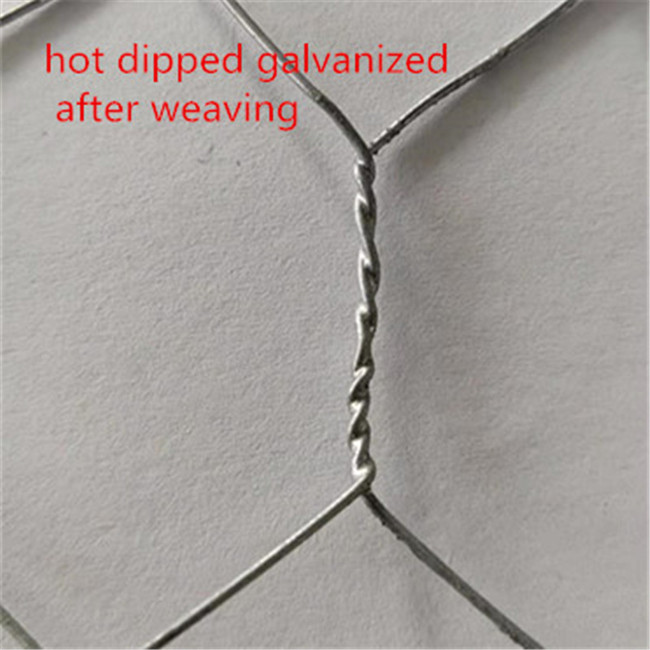
This type of fence typically consists of galvanized steel wires woven together, forming a sturdy and resilient structure. The galvanized treatment ensures that the fence resists rust and corrosion, significantly prolonging its lifespan, even in harsh weather conditions. This durability makes the 60% 20 inch field fence an excellent investment for farm owners, gardeners, and property owners who need a reliable solution to protect their land.
Applications of the 60% 20 Inch Field Fence
1. Agricultural Use Farmers often utilize this type of fencing to contain livestock such as sheep, goats, and poultry. The open design allows animals to see their surroundings, reducing stress while still keeping them within a designated area. Additionally, the fence can protect crops from being trampled or eaten by larger animals.
2. Garden Protection For avid gardeners, the 60% 20 inch field fence can serve as both a boundary and a deterrent against pests. The height is sufficient to keep out small animals like rabbits and deer, allowing plants to flourish without the threat of destruction. Furthermore, the fence adds an aesthetically pleasing element to the garden, creating a charming, rustic look.
60 inch field fence
3. Property Boundary Homeowners looking to define their property lines may find this type of fencing an attractive option. It helps delineate the personal space without obstructing views or blocking natural light, making it a popular choice for suburban areas. Its versatile appearance can complement various architectural styles, from farmhouse to modern designs.
4. Erosion Control In hilly or uneven terrains, a 60% 20 inch field fence can help control soil erosion by stabilizing loose soil. When planted along slopes, this fencing allows vegetation to grow while preventing runoff during rainstorms, ultimately promoting a healthier landscape.
Installation and Maintenance
Installing a 60% 20 inch field fence is relatively straightforward, requiring minimal tools. The posts can be set into the ground using concrete for added stability. Depending on the terrain and the purpose of the fence, the posts should be spaced appropriately, generally every 8 to 12 feet apart.
Maintenance is generally low, but periodic inspections are recommended to check for any damage or rust. If corrosion is detected, touch-up paint or rust-resistant coating can be applied to extend the life of the fence.
Conclusion
The 60% 20 inch field fence stands out as a remarkably effective solution for a multitude of fencing needs. Its design allows for visibility and airflow while providing boundary markers and protection for livestock and gardens alike. With its durability and minimal maintenance requirements, this type of fence is an investment that pays off in both functionality and aesthetics. Whether you are a farmer, a gardener, or a homeowner, exploring the advantages of a 60% 20 inch field fence may very well lead you to the ideal fencing solution for your unique needs.
-
PVC Coated Iron Wire or 3D Fence Panels: Match the Format to the Job
NewsNov.09,2026
-
Garden Wire Fencing PVC Coated: Buyer Questions Answered
NewsNov.03,2026
-
PVC Coated Hexagonal Wire Netting vs. Galvanized Hexagonal Chicken Wire Mesh: Mesh Geometry, Coatings and Installation Requirements
NewsOct.29,2026
-
3D Euro Panel Fence Manufacturer Selection Guide: Opening Size, Wire Diameter and PVC Coated Panel Applications
NewsOct.27,2026
-
Hexagonal Wire Mesh Price: Choosing Gabion Box Mesh by Opening Size, Wire Diameter and Application
NewsOct.27,2026
-
Choosing a Dog Crate: Application Fit and Specification Checks
NewsOct.22,2026