
Dec . 29, 2024 20:04 Back to list
Durable 6-Foot Outdoor Fence for Enhanced Privacy and Security Solutions
The Enclosure of Protection Understanding the 6-Foot Field Fence
When it comes to defining boundaries and ensuring safety, few structures hold as much significance as a fence. Among the various options available, the 6-foot field fence has emerged as a practical choice for a multitude of applications. Whether used to encompass agricultural lands, define property lines, or enhance security, this type of fencing combines functionality with durability, making it a favored option for many property owners.
The Basics of a 6-Foot Field Fence
A 6-foot field fence is typically constructed from either wire or wood and stands approximately six feet tall. The height of this fence serves as a reliable deterrent against intruders, whether they are humans or animals. With a robust design, this type of fence can create a secure boundary that protects both livestock and crops from potential threats.
One of the most common materials used for a 6-foot field fence is wire. Wire fencing can be made from different alloys and comes in various designs, such as welded wire or woven wire. Woven wire fences, for instance, consist of vertical and horizontal wires that are interwoven, creating a sturdy grid. This type of fencing is particularly effective in keeping smaller animals, such as rabbits or coyotes, at bay. On the other hand, wooden panel fences provide aesthetic charm and can be painted or stained to complement the surroundings.
Benefits of a 6-Foot Field Fence
1. Security The height of a 6-foot fence provides a level of security that is difficult for potential trespassers to breach. This makes it an ideal choice for residential properties, farms, and areas where the presence of livestock is critical.
2. Animal Containment For farmers or landowners with livestock, a 6-foot field fence is essential in preventing animals from wandering off and keeping wild animals from entering enclosures. This is particularly vital in preventing the spread of diseases among livestock and protecting crops from being damaged.
6 foot field fence
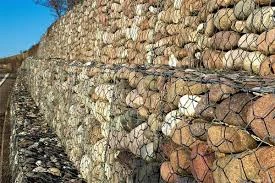
3. Aesthetic Appeal While functionality is a priority, the appearance of fencing also plays an important role. A well-designed 6-foot fence can enhance the visual appeal of a property. Whether it’s a rustic wooden fence that complements a farmhouse or a sleek metal fence that modernizes a landscape, the choices are vast.
4. Versatility A 6-foot field fence can serve various purposes beyond just securing livestock. It can delineate property lines, create private outdoor spaces, and even serve as a backdrop for climbing plants and flowers, making it a versatile addition to any property.
5. Maintenance Many modern fencing materials designed for 6-foot field fences require minimal upkeep. For instance, vinyl and metal options are resistant to rotting, splitting, and rusting, which can save property owners time and money in the long run.
Choosing the Right 6-Foot Field Fence
When selecting a 6-foot field fence, several factors should be considered. First, think about the primary purpose of the fence. Are you protecting livestock, defining property boundaries, or enhancing privacy? Additionally, consider the terrain and climate of the area. Certain materials perform better in specific environments and can significantly impact the longevity and effectiveness of the fence.
Budget is also a critical factor. While some fencing options may have a higher upfront cost, their durability and low maintenance needs might justify the expense over time. Finally, consult local regulations regarding fencing, as many municipalities have codes that dictate the height, materials, and installation standards for fences.
Conclusion
In summary, a 6-foot field fence serves a critical role in the landscape of property ownership. Its combination of security, versatility, and aesthetic appeal makes it a popular choice among homeowners, ranchers, and farmers alike. By understanding the benefits and considerations of this type of fencing, one can make informed decisions that align with their particular needs, ensuring their property remains secure and visually appealing for years to come.
-
PVC Coated Iron Wire or 3D Fence Panels: Match the Format to the Job
NewsNov.09,2026
-
Garden Wire Fencing PVC Coated: Buyer Questions Answered
NewsNov.03,2026
-
PVC Coated Hexagonal Wire Netting vs. Galvanized Hexagonal Chicken Wire Mesh: Mesh Geometry, Coatings and Installation Requirements
NewsOct.29,2026
-
3D Euro Panel Fence Manufacturer Selection Guide: Opening Size, Wire Diameter and PVC Coated Panel Applications
NewsOct.27,2026
-
Hexagonal Wire Mesh Price: Choosing Gabion Box Mesh by Opening Size, Wire Diameter and Application
NewsOct.27,2026
-
Choosing a Dog Crate: Application Fit and Specification Checks
NewsOct.22,2026