
Oct . 21, 2024 23:08 Back to list
barbed wire fences
The Role of Barbed Wire Fences in Agriculture and Beyond
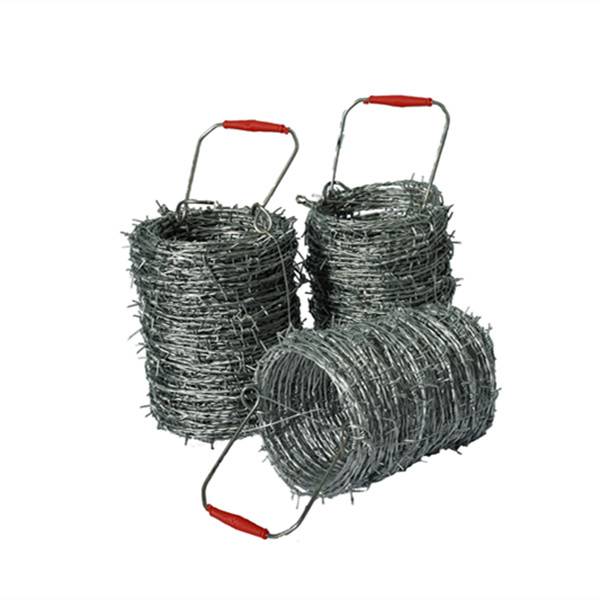
Barbed wire fences have been a staple in agricultural practices since their invention in the late 19th century. Originally developed to manage livestock and protect crops, these fences became integral to the burgeoning agricultural industry in the United States and other countries. Barbed wire consists of twisted strands of wire with sharp barbs at regular intervals, which deter animals from crossing and provide a cost-effective solution for farmers.
One of the primary advantages of barbed wire fencing is its affordability and ease of installation. Compared to traditional wooden or stone fencing, barbed wire is significantly cheaper and can cover large areas quickly. Farmers can efficiently section off their fields, keeping livestock in designated areas while preventing wild animals from encroaching on crops. This not only helps in maintaining the overall health of the farm but also maximizes productivity by reducing crop damage.
Furthermore, barbed wire fences can serve multiple purposes beyond agriculture. In many regions, they are employed to protect private properties, serve as boundaries for industrial sites, and even enhance security for residential areas. The intimidating appearance of barbed wire serves as a deterrent against trespassers and potential intruders. In this way, barbed wire has evolved into a versatile tool for various sectors, including construction and security.
barbed wire fences

Despite their effectiveness, barbed wire fences are not without controversies. Animal welfare advocates often argue that such fences can harm wildlife and domesticated animals alike. Animals may become caught in the wires, leading to injuries or death. In response to these concerns, some farmers and landowners are exploring alternative fencing solutions that prioritize both security and the safety of wildlife.
Moreover, the use of barbed wire raises ethical questions about land ownership and access. In some areas, barbed wire has been associated with historical conflicts over land rights, particularly in regions where indigenous populations have been displaced. The presence of barbed wire can symbolize division and control, sparking discussions about how we perceive boundaries and the communal use of land.
In conclusion, barbed wire fences play an essential role in modern agriculture and land management. Though they offer practical benefits in terms of cost and efficiency, ongoing discussions about their impact on the environment and ethical considerations remind us that every tool has its pros and cons. As society continues to evolve, finding a balance between security, productivity, and ecological mindfulness will be crucial.
-
PVC Coated Iron Wire or 3D Fence Panels: Match the Format to the Job
NewsNov.09,2026
-
Garden Wire Fencing PVC Coated: Buyer Questions Answered
NewsNov.03,2026
-
PVC Coated Hexagonal Wire Netting vs. Galvanized Hexagonal Chicken Wire Mesh: Mesh Geometry, Coatings and Installation Requirements
NewsOct.29,2026
-
3D Euro Panel Fence Manufacturer Selection Guide: Opening Size, Wire Diameter and PVC Coated Panel Applications
NewsOct.27,2026
-
Hexagonal Wire Mesh Price: Choosing Gabion Box Mesh by Opening Size, Wire Diameter and Application
NewsOct.27,2026
-
Choosing a Dog Crate: Application Fit and Specification Checks
NewsOct.22,2026