
Oct . 31, 2024 21:26 Back to list
Comparison of Razor Wire Fencing and Barbed Wire Fencing for Security Needs
Razor Wire Fence vs. Barbed Wire A Comprehensive Comparison
When it comes to securing properties, choosing the right type of fencing is crucial. Two popular options for high-security fencing are razor wire and barbed wire. While both serve the same fundamental purpose of deterring intruders, they have distinct characteristics, advantages, and disadvantages that make them suitable for different applications.
Overview of Razor Wire
Razor wire consists of heavy metal wires with sharp, razor-like blades attached at intervals. This type of fencing is designed to prevent unauthorized access effectively. Razor wire is often used in high-security areas such as prisons, military installations, and industrial sites due to its formidable appearance and effectiveness in preventing climbing and cutting.
Overview of Barbed Wire
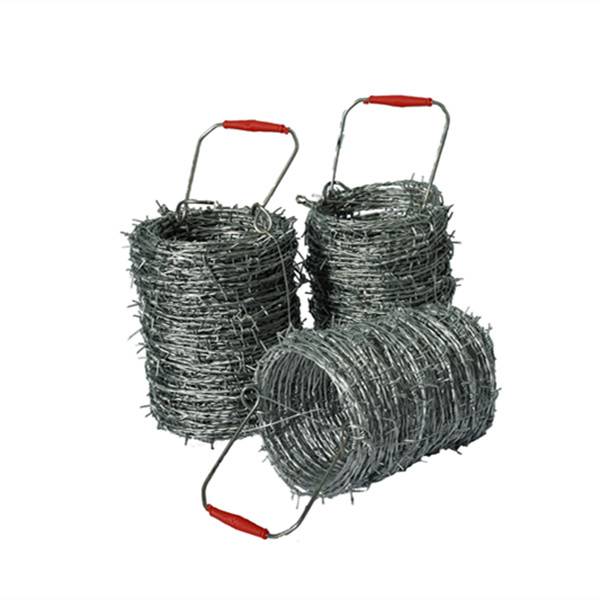
Barbed wire, on the other hand, is made of two twisted strands of wire with small sharp barbs protruding at regular intervals. It is commonly used in agricultural settings to contain livestock and in low-security fencing for residential or commercial properties. While barbed wire is effective at creating a barrier, it is not as intimidating or secure as razor wire.
Security
When comparing security features, razor wire stands out as the more secure option. The sharp blades of razor wire create a significant hazard for anyone attempting to breach the fence. This makes it a formidable deterrent for potential intruders. In contrast, while barbed wire can cause injury, it is perceived as less intimidating, which might not deter more determined individuals.
razor wire fence vs barbed wire

Cost and Maintenance
From a cost perspective, barbed wire is generally less expensive than razor wire, making it an attractive option for those on a budget. The installation and maintenance of barbed wire fences are also relatively straightforward and can often be performed by a single individual. In contrast, razor wire is more costly both in terms of material and installation labor. It may require specialized knowledge to install and maintain properly, as improper handling can lead to safety issues.
Applications
Razor wire is primarily suited for high-security applications. It is commonly seen atop security fences and walls in prisons, military bases, and high-security industrial areas. Barbed wire, however, is more versatile and can be found in a wider range of applications, including farms and residential properties. It is often used for boundary fences to keep livestock in and prevent wild animals from entering.
Aesthetics
Aesthetically, barbed wire is less visually imposing than razor wire. For residential or agricultural settings, barbed wire may blend better with the environment, while razor wire can create an eyesore and may not be permitted in some municipalities due to safety codes and zoning regulations.
Conclusion
In conclusion, the choice between razor wire and barbed wire ultimately depends on specific security needs, budget, and application context. Razor wire offers superior security and is best suited for high-risk areas, while barbed wire is a cost-effective, versatile solution for lower-security applications. Understanding the differences between these two types of fencing can help property owners make informed decisions that align with their security requirements and budgetary constraints.
-
PVC Coated Iron Wire or 3D Fence Panels: Match the Format to the Job
NewsNov.09,2026
-
Garden Wire Fencing PVC Coated: Buyer Questions Answered
NewsNov.03,2026
-
PVC Coated Hexagonal Wire Netting vs. Galvanized Hexagonal Chicken Wire Mesh: Mesh Geometry, Coatings and Installation Requirements
NewsOct.29,2026
-
3D Euro Panel Fence Manufacturer Selection Guide: Opening Size, Wire Diameter and PVC Coated Panel Applications
NewsOct.27,2026
-
Hexagonal Wire Mesh Price: Choosing Gabion Box Mesh by Opening Size, Wire Diameter and Application
NewsOct.27,2026
-
Choosing a Dog Crate: Application Fit and Specification Checks
NewsOct.22,2026