
Dec . 03, 2025 12:34 Back to list
Comprehensive Guide to 1in Wire Mesh: Applications, Benefits & Vendors
Understanding 1in Wire Mesh: A Global Industrial Staple
Wire mesh with a 1-inch aperture—or simply, 1in wire mesh—is one of those quietly essential materials you’ll find all over the world, underpinning countless industries and infrastructures. It’s more than just metal gridwork; it represents a versatile solution catering to everything from construction reinforcement to agricultural fencing. Given its high demand and practical benefits, understanding the role of 1in wire mesh can unlock insights into both industrial efficiencies and humanitarian logistics.
Worldwide, the use of wire mesh materials is booming. According to ISO standards and reports from the World Bank, infrastructure projects in developing nations and advanced manufacturing setups alike rely heavily on durable, cost-effective materials—the 1in wire mesh fitting this bill perfectly. Still, challenges such as maintaining quality while keeping costs down persist in many supply chains.
What Exactly Is 1in Wire Mesh?
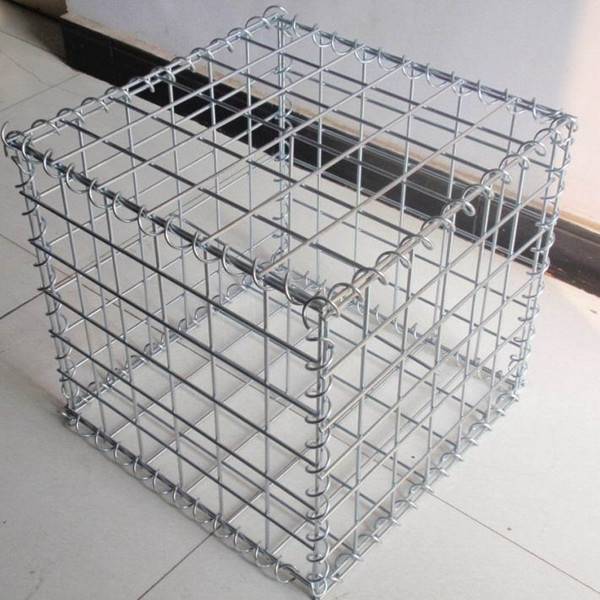
Simply put, 1in wire mesh is a metal grid made from wires woven or welded together with openings that measure about one inch (25.4 mm) across each square. The material itself is often galvanized steel, stainless steel, or in some cases, aluminum, giving it strength and corrosion resistance.
It’s surprisingly fundamental in industries ranging from construction—where it reinforces concrete slabs or acts as safety barriers—to agriculture, where it secures livestock or protects crops. Its role even extends to humanitarian aid, where sturdy fencing and protective barriers made from 1in wire mesh are crucial in refugee camps or temporary shelters, ensuring safety and privacy.
Core Features That Define 1in Wire Mesh’s Value
- Durability: The galvanized or stainless steel options resist rust, lasting years in harsh weather conditions.
- Versatility: Used for fencing, filtration systems, security cages—its adaptability is remarkable.
- Cost Efficiency: Compared to custom fabricated metal components, 1in wire mesh is relatively inexpensive and easy to source worldwide.
- Scalability: Available in rolls or panels, it can be cut and shaped onsite for both small and large projects.
- Safety & Security: The mesh provides a reliable physical barrier without sacrificing visibility or airflow.
Each of these aspects feeds directly into practical applications, meaning engineers and planners don’t have to juggle multiple materials to solve simple enclosures or reinforcements. And frankly, that’s a huge plus on fast turnaround sites.
Global Applications & Use Cases
One interesting thing I keep noticing is just how universal 1in wire mesh is. For example:
- Post-disaster relief: Organizations like the UNHCR often deploy wire mesh fencing in refugee camps to create safe zones.
- Agriculture: In countries like India and Brazil, farmers use it for livestock containment and crop protection, helping reduce losses from predators.
- Industrial zones: Factories in remote regions rely on 1in wire mesh panels for ventilation grilles and machinery guards.
Knowing these diverse applications illustrates not just its adaptability but the global impact of this seemingly humble product.
Advantages & Long-Term Value of 1in Wire Mesh
There’s something reassuring about materials that promise long-term reliability. The advantages here span beyond just cost:
- Sustainability: Many modern wire meshes are recyclable and increasingly made from eco-friendlier metals.
- Social Impact: When used in humanitarian contexts, the mesh contributes to safety and dignity, essentials seldom quantified but deeply felt.
- Innovation: The ability to integrate coatings or combine with smart sensors opens doors to future-proof uses.
- Trust: A simple metal mesh doesn’t fail silently; its robustness builds confidence in infrastructure stability.
A Quick Look: Typical Technical Specifications of 1in Wire Mesh
| Specification | Details |
|---|---|
| Mesh Opening Size | 1 inch (25.4 mm) square |
| Wire Diameter | Range: 0.9 mm to 3.0 mm (customizable) |
| Material | Galvanized Steel / Stainless Steel / Aluminum |
| Panel Size | Typically 4x8 ft or cut to order |
| Finish | Hot-dip galvanized or powder coated |
Comparing Top Vendors of 1in Wire Mesh
| Vendor | Price/Unit | Material Options | Lead Time | Global Shipping |
|---|---|---|---|---|
| SteelTech Supplies | $45 per panel | Galvanized, Stainless | 2 weeks | Yes |
| Global Mesh Co. | $50 per panel | Galvanized, Aluminum | 1 week | Yes |
| EcoWire Solutions | $55 per panel | Recycled Steel only | 3 weeks | Limited |
Future Trends & Innovations in 1in Wire Mesh
Looking ahead, it’s clear 1in wire mesh will continue evolving. There’s a growing demand for eco-conscious manufacturing, so recycled metals and low-impact coatings are on the rise. Plus, some industrial sectors are embedding sensors into wire mesh substrates to monitor structural health remotely — an innovation that blends IoT and traditional materials.
Digital supply chains also promise faster custom orders and smarter inventory, reducing waste and costs. Oddly enough, even automation on construction sites could lead to prefabricated mesh assemblies being more commonplace. So the future feels a bit like wire mesh 2.0—still practical, but smarter and greener.
Challenges & Practical Solutions
Admittedly, challenges remain. Quality inconsistency can hit projects unexpectedly — especially with cheap imports. Installation may require skilled labor to avoid mesh deformation or compromised safety barriers. And sourcing sustainable materials at scale is still tricky.
Yet, many manufacturers now offer certifications proving galvanization thickness or tensile strength, and onsite training is becoming more standard. Plus, third-party testing bodies like ASTM International ensure product reliability. In other words, expert strategies exist to tackle these issues head-on.
FAQ: Practical Questions About 1in Wire Mesh
- Q: What applications are best suited for 1in wire mesh?
A: It’s ideal for security fencing, concrete reinforcement, construction safety barriers, and agricultural uses such as animal enclosures. - Q: How do I choose between galvanized and stainless steel mesh?
A: Galvanized steel is cost-effective and corrosion-resistant for most exposures, while stainless steel offers higher durability especially in harsh or chemical environments. - Q: Can 1in wire mesh be customized in size or thickness?
A: Yes, most vendors provide options for wire diameter, mesh panel sizes, and finishes to suit specific project needs. - Q: How long does typical 1in wire mesh last outdoors?
A: With proper galvanization or coating, the mesh can last 15+ years even in outdoor conditions, depending on environment severity. - Q: Is 1in wire mesh recyclable or eco-friendly?
A: Absolutely. Steel wire mesh is highly recyclable, and many manufacturers now offer recycled-metal products, contributing to sustainability goals.
Conclusion
In real terms, 1in wire mesh is one of those fundamental materials that quietly supports everything from building stable homes to securing vital agricultural lands — globally. Its blend of durability, adaptability, and cost-effectiveness makes it a go-to solution for engineers, architects, and humanitarian agencies alike.
If you're curious to explore high-quality 1in wire mesh options, I highly recommend visiting 1in wire mesh to compare products, specs, and get expert advice tailored to your project’s needs.
It feels like, no matter where you are on this planet, this simple mesh might just hold things together—in more ways than one.
References:
-
PVC Coated Iron Wire or 3D Fence Panels: Match the Format to the Job
NewsNov.09,2026
-
Garden Wire Fencing PVC Coated: Buyer Questions Answered
NewsNov.03,2026
-
PVC Coated Hexagonal Wire Netting vs. Galvanized Hexagonal Chicken Wire Mesh: Mesh Geometry, Coatings and Installation Requirements
NewsOct.29,2026
-
3D Euro Panel Fence Manufacturer Selection Guide: Opening Size, Wire Diameter and PVC Coated Panel Applications
NewsOct.27,2026
-
Hexagonal Wire Mesh Price: Choosing Gabion Box Mesh by Opening Size, Wire Diameter and Application
NewsOct.27,2026
-
Choosing a Dog Crate: Application Fit and Specification Checks
NewsOct.22,2026