
Mar . 08, 2026 02:25 Back to list
Comprehensive Guide to Galvanized Wire Cloth Applications and Benefits
Understanding Galvanized Wire Cloth: Applications and Benefits
When seeking robust and versatile materials for filtration, reinforcement, or security, galvanized wire cloth stands out as a reliable and cost-effective solution. This article provides a comprehensive overview of galvanized wire cloth, detailing its properties, common applications, and the advantages it offers across various industries. We will explore why it's a favored choice for both industrial and commercial needs.

What is Galvanized Wire Cloth?
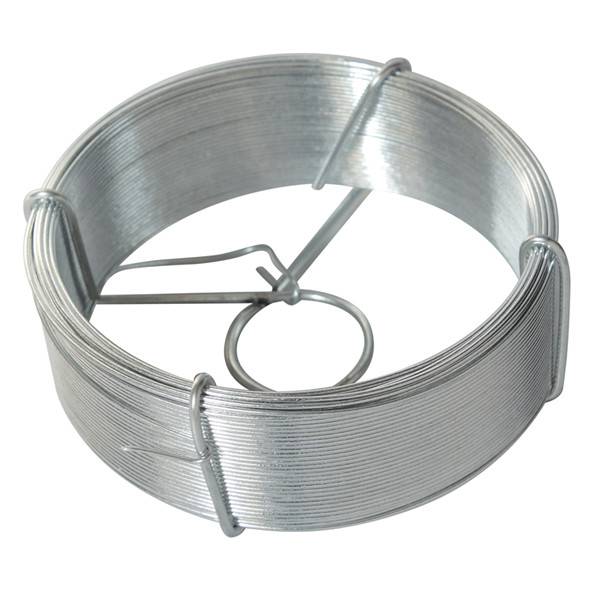
Galvanized wire cloth is woven from steel wire that has been coated with a layer of zinc through a process called galvanization. This zinc coating provides excellent corrosion resistance, making the wire cloth suitable for both indoor and outdoor applications. The weaving process creates a mesh with varying opening sizes and wire diameters, allowing for customization based on specific requirements. The zinc coating acts as a sacrificial anode, protecting the underlying steel even if the coating is scratched or damaged. Hardwareinstore.com offers a wide variety of galvanized wire cloth options to meet your project needs.
Key Highlights: Offers superior corrosion resistance, versatile mesh sizes, and durable construction. It's a cost-effective solution for diverse applications.
Common Applications of Galvanized Wire Cloth
The versatility of galvanized wire cloth makes it ideal for a wide range of applications, including: security fencing, animal cages, insect screening, filtration systems, protective shields, gutter guards, and reinforcement materials. Its strength and durability also make it a good choice for heavy-duty applications. From agricultural settings to industrial environments, galvanized wire cloth consistently delivers reliable performance. The mesh size can be chosen to suit requirements, from coarse meshes for debris protection to fine meshes for detailed filtration.
Application Benefits:
• Provides strong and durable protection.
• Resistant to corrosion in various environments.
• Offers flexibility in mesh size and wire diameter.
• Cost-effective compared to other materials.
Galvanized Wire Cloth: Mesh Sizes and Wire Diameters
Selecting the correct mesh size and wire diameter is critical for optimal performance. Mesh size refers to the number of openings per inch, while wire diameter determines the strength and rigidity of the cloth. Finer meshes offer greater filtration capabilities but may reduce airflow. Thicker wires provide increased strength but can limit flexibility. Hardwareinstore.com provides a detailed selection of options to accommodate diverse project needs.
Advantages of Using Galvanized Wire Cloth
Compared to other materials like stainless steel or plastic, galvanized wire cloth offers several key advantages. It's considerably more affordable than stainless steel while still providing excellent corrosion resistance. It's also stronger and more durable than many plastic alternatives. The galvanization process creates a robust protective layer, extending the lifespan of the material even in harsh conditions. Moreover, galvanized wire cloth is easily cut and shaped, allowing for customized installations. Choosing galvanized wire cloth is a smart investment.

Maintenance and Longevity
While galvanized wire cloth is corrosion-resistant, periodic maintenance can further extend its lifespan. Regularly cleaning the cloth to remove debris and contaminants helps prevent premature degradation. In particularly harsh environments, applying a protective coating after cutting or shaping can enhance corrosion resistance. Inspecting the cloth periodically for any signs of damage is also recommended. Proper care ensures long-lasting performance and maximizes the return on investment.
Conclusion: A Versatile Solution for Diverse Needs
Galvanized wire cloth represents a practical and reliable solution for a wide range of applications. Its corrosion resistance, strength, affordability, and versatility make it an excellent choice for industrial, commercial, and even residential projects. Hardwareinstore.com is your trusted source for high-quality galvanized wire cloth, offering a diverse selection to meet your specific requirements.
Frequently Asked Questions (FAQs)
What is the difference between galvanized and stainless steel wire cloth?
While both offer corrosion resistance, stainless steel is significantly more expensive than galvanized steel. Galvanized steel provides excellent protection for most outdoor applications and is a cost-effective choice. Stainless steel is preferred in highly corrosive environments or when a polished aesthetic is desired. Galvanized steel’s zinc coating offers sacrificial protection, while stainless steel relies on its chromium content for corrosion resistance.
How can I cut galvanized wire cloth safely?
Cutting galvanized wire cloth can be challenging due to its hardness. Use heavy-duty wire cutters or bolt cutters designed for metal. Always wear safety glasses and gloves to protect your eyes and hands from sharp edges. Secure the cloth firmly before cutting to prevent it from moving. Consider using a lubricant to ease the cutting process and prolong the life of your cutting tools.
Is galvanized wire cloth suitable for food contact applications?
Generally, galvanized wire cloth is not recommended for direct food contact applications, as the zinc coating can potentially leach into the food. However, some specialized food-grade galvanized coatings are available, but they must meet specific regulatory standards. For food contact applications, stainless steel wire cloth is the preferred and safer option.
-
PVC Coated Iron Wire or 3D Fence Panels: Match the Format to the Job
NewsNov.09,2026
-
Garden Wire Fencing PVC Coated: Buyer Questions Answered
NewsNov.03,2026
-
PVC Coated Hexagonal Wire Netting vs. Galvanized Hexagonal Chicken Wire Mesh: Mesh Geometry, Coatings and Installation Requirements
NewsOct.29,2026
-
3D Euro Panel Fence Manufacturer Selection Guide: Opening Size, Wire Diameter and PVC Coated Panel Applications
NewsOct.27,2026
-
Hexagonal Wire Mesh Price: Choosing Gabion Box Mesh by Opening Size, Wire Diameter and Application
NewsOct.27,2026
-
Choosing a Dog Crate: Application Fit and Specification Checks
NewsOct.22,2026