
Nov . 01, 2024 19:43 Back to list
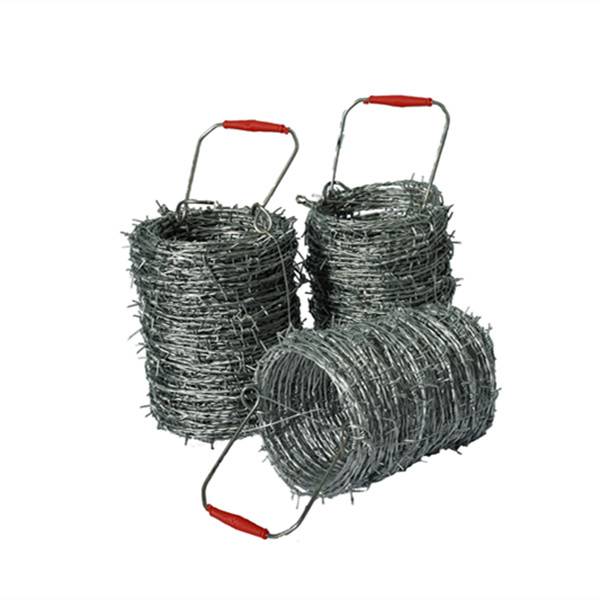
Current Market Trends for Barbed Wire Pricing per Kilogram
The Price of Barbed Wire per Kilogram An Overview
Barbed wire, an invention from the late 19th century, has undergone significant transformations in its usage and pricing over the decades. Predominantly utilized in agricultural settings, security fencing, and military applications, the barbed wire market continues to evolve in response to various factors including material costs, demand fluctuations, and global economic conditions. As of 2023, understanding the price of barbed wire per kilogram is essential for stakeholders in construction, agriculture, and security industries.
The base material for creating barbed wire is typically low-carbon steel. This raw material's price fluctuates based on global steel market trends, which have been influenced heavily by factors such as production costs, tariffs, and trade policies. For instance, supply chain disruptions during the COVID-19 pandemic led to spikes in steel prices, which consequently impacted the cost of barbed wire. Moreover, as countries push towards sustainable practices, the decommissioning of older steel mills and a shift towards recycling old steel can also influence availability and pricing.
The Price of Barbed Wire per Kilogram An Overview
Another factor affecting these prices is regional market demands. In areas where agriculture is a primary career, the demand for barbed wire tends to be higher, which may stabilize or increase prices due to sustained buying. Conversely, urban areas focusing on security and fencing solutions may influence a different segment of the market, often driving prices for premium products higher.
barbed wire price per kg
Seasonal variations also play a critical role in pricing. For example, demand may spike during the early spring as farmers prepare their land for livestock and crops. This seasonal increase can lead to temporary price surges, whereas off-peak periods often see prices dip as suppliers look to clear excess inventory.
Further complicating the pricing landscape is the role of currency fluctuations. Barbed wire is often traded internationally, and as such, changes in currency value can make imported goods more or less expensive. Countries with volatile currencies might find their prices shift dramatically based on geopolitical conditions, trade relationships, and economic stability.
In addition, technological advancements in production methods can influence prices. Manufacturers continuously seek ways to improve production efficiency, which can lead to lower costs per kilogram in the long run. Innovations such as automated manufacturing and the use of alternative materials can disrupt traditional pricing structures.
In conclusion, the price of barbed wire per kilogram is influenced by a confluence of material costs, demand dynamics, regional variations, seasonal trends, and technological advancements. As industries continue to adapt to changing economic conditions and customer needs, understanding these factors will be essential for making informed purchasing decisions in the barbed wire market. For consumers and businesses alike, staying updated on pricing trends is crucial for budget planning and effective resource allocation.
-
PVC Coated Iron Wire or 3D Fence Panels: Match the Format to the Job
NewsNov.09,2026
-
Garden Wire Fencing PVC Coated: Buyer Questions Answered
NewsNov.03,2026
-
PVC Coated Hexagonal Wire Netting vs. Galvanized Hexagonal Chicken Wire Mesh: Mesh Geometry, Coatings and Installation Requirements
NewsOct.29,2026
-
3D Euro Panel Fence Manufacturer Selection Guide: Opening Size, Wire Diameter and PVC Coated Panel Applications
NewsOct.27,2026
-
Hexagonal Wire Mesh Price: Choosing Gabion Box Mesh by Opening Size, Wire Diameter and Application
NewsOct.27,2026
-
Choosing a Dog Crate: Application Fit and Specification Checks
NewsOct.22,2026