
Dec . 23, 2024 09:56 Back to list
Affordable Pricing for Fencing Iron Nets and Related Products
Understanding the Price Dynamics of Fencing Iron Net
In recent years, the demand for fencing materials, particularly iron nets, has surged due to various industrial, agricultural, and residential applications. Whether it’s for securing properties, protecting crops, or for decorative purposes, fencing iron nets have become a vital component in our infrastructure. However, understanding the pricing dynamics of fencing iron nets can be complex, influenced by various factors that dictate the cost.
Factors Influencing the Price of Fencing Iron Nets
1. Raw Material Costs The primary component of iron nets is steel, and its price fluctuates based on global markets. Factors such as mining output, geopolitical tensions, and changes in tariffs can significantly affect the price of raw iron and steel. An increase in demand from construction industries or international markets can further escalate costs, reflecting in the prices of finished fencing products.
2. Manufacturing Processes The method of production also plays a crucial role in determining the cost. Manufacturing iron nets involves processes such as welding, galvanizing, and coating. Each of these steps adds to the overall production cost. For instance, galvanized iron nets, which are coated with zinc to prevent rust, tend to be more expensive than plain iron due to the additional materials and processing involved.
3. Market Demand Seasonal demand can greatly influence pricing. For example, in regions where agricultural activities peak, the necessity for fencing to protect crops can lead to increased demand for fencing iron nets, subsequently driving up prices. Conversely, during off-seasons, prices might stabilize or even decline due to lower demand.
4. Transport and Logistics The geographic location of suppliers and buyers also impacts costs. Transportation expenses, including shipping and handling, can vary significantly depending on the distance from manufacturing facilities to the end-users. Areas that are further away from manufacturing hubs often experience higher prices due to added logistics costs.
fencing iron net price
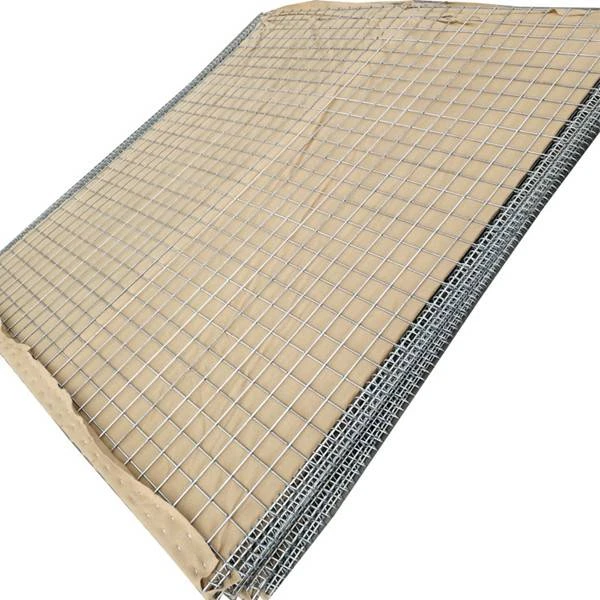
5. Quality and Specifications Different applications require varied specifications of fencing iron nets. Custom-made iron nets that meet specific standards or designs will naturally be more expensive than standard models. Buyers should consider their specific needs, as investing in higher-quality materials can save costs in the long run due to reduced maintenance and increased durability.
6. Economic Conditions Broader economic factors such as inflation, currency fluctuations, and global market trends also play a significant role in pricing. Economic stability often leads to consistent pricing, whereas periods of uncertainty can cause fluctuations. Supply chain disruptions, a common occurrence in times of geopolitical strife or pandemics, can also lead to unexpected increases in prices.
The Importance of Shopping Around
For consumers and businesses looking to purchase fencing iron nets, it’s important to shop around and compare prices. Different vendors and manufacturers may offer various pricing structures based on their sourcing and production methods. Additionally, buyers should consider the total cost of ownership, which includes purchase price, installation costs, and potential maintenance expenses.
Many suppliers now offer online platforms where customers can easily access prices and product information, making it easier to evaluate options. Bulk purchasing can also lead to significant savings, as many suppliers provide discounts for larger orders.
Conclusion
Understanding the price of fencing iron nets requires a comprehensive look at several influencing factors. By analyzing raw material costs, manufacturing processes, market demands, logistical aspects, quality specifications, and overall economic conditions, buyers can make informed decisions. As the market continues to evolve, staying abreast of these dynamics will empower consumers to secure competitive prices while ensuring they choose the right products for their fencing needs.
-
PVC Coated Iron Wire or 3D Fence Panels: Match the Format to the Job
NewsNov.09,2026
-
Garden Wire Fencing PVC Coated: Buyer Questions Answered
NewsNov.03,2026
-
PVC Coated Hexagonal Wire Netting vs. Galvanized Hexagonal Chicken Wire Mesh: Mesh Geometry, Coatings and Installation Requirements
NewsOct.29,2026
-
3D Euro Panel Fence Manufacturer Selection Guide: Opening Size, Wire Diameter and PVC Coated Panel Applications
NewsOct.27,2026
-
Hexagonal Wire Mesh Price: Choosing Gabion Box Mesh by Opening Size, Wire Diameter and Application
NewsOct.27,2026
-
Choosing a Dog Crate: Application Fit and Specification Checks
NewsOct.22,2026