
Oct . 30, 2024 14:39 Back to list
field fencing for horses
Field Fencing for Horses Ensuring Safety and Security
When it comes to the well-being of horses, providing a secure and safe environment is paramount. One of the essential components of such an environment is field fencing. Proper fencing not only protects horses from potential dangers but also keeps them contained within designated areas, minimizing the risk of accidents or escapes.
Types of Fencing Materials
There are various materials available for field fencing, each with its benefits and drawbacks
. Common choices include wooden fences, vinyl fencing, electric fencing, and wire mesh.Wooden fences are often preferred for their aesthetic appeal and durability. They can withstand harsh weather conditions and provide a robust barrier. However, regular maintenance is required to prevent rot and damage from insects.
Vinyl fencing is another popular option due to its resistance to weathering, splintering, and rust. It requires less maintenance than wood but can be more expensive upfront. Many horse owners appreciate the clean look of vinyl fencing, which can enhance the property’s overall appearance.
field fencing for horses
Electric fencing is increasingly being used for its effectiveness in keeping horses contained. It can be particularly useful for larger fields where conventional fencing may be too costly. Electric fencing delivers a mild shock, which discourages horses from attempting to escape. However, precautions must be taken to ensure that the electric system is secure and regularly maintained to prevent any malfunctions.
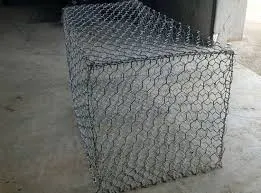
Wire mesh fencing is another good option, especially when combined with wooden posts. It is less visually appealing, but it offers excellent security. Horses are less likely to escape through wire mesh, and it also acts as a barrier against potential predators.
Fencing Height and Visibility
Regardless of the type of fencing chosen, height is an important consideration. Standard fencing height for horses typically ranges from 4.5 to 6 feet. This discourages jumping and helps prevent horses from getting their legs caught in the fence. Additionally, ensuring that the fence is visible is crucial. Bright colors or reflective materials can help catch the attention of both horses and humans, reducing the risk of accidents.
Conclusion
In conclusion, effective field fencing is a vital investment for any horse owner. It provides security and peace of mind while allowing horses to roam safely. By understanding the different types of fencing materials, choosing the right height, and ensuring visibility, horse owners can create a safe and welcoming environment for their beloved animals. Investing in quality fencing pays off in the long run, helping to prevent injuries and ensuring the overall well-being of horses.
-
PVC Coated Iron Wire or 3D Fence Panels: Match the Format to the Job
NewsNov.09,2026
-
Garden Wire Fencing PVC Coated: Buyer Questions Answered
NewsNov.03,2026
-
PVC Coated Hexagonal Wire Netting vs. Galvanized Hexagonal Chicken Wire Mesh: Mesh Geometry, Coatings and Installation Requirements
NewsOct.29,2026
-
3D Euro Panel Fence Manufacturer Selection Guide: Opening Size, Wire Diameter and PVC Coated Panel Applications
NewsOct.27,2026
-
Hexagonal Wire Mesh Price: Choosing Gabion Box Mesh by Opening Size, Wire Diameter and Application
NewsOct.27,2026
-
Choosing a Dog Crate: Application Fit and Specification Checks
NewsOct.22,2026