
Dec . 26, 2024 21:10 Back to list
field fencing materials
Field Fencing Materials A Comprehensive Guide
Field fencing is an essential component of agricultural and rural properties, serving as a barrier for livestock, a delineation of property lines, and a means of protection against wildlife. The choice of materials for field fencing greatly influences its durability, effectiveness, and cost-effectiveness. This article explores various materials used in field fencing, their benefits, drawbacks, and suitable applications.
1. Barbed Wire
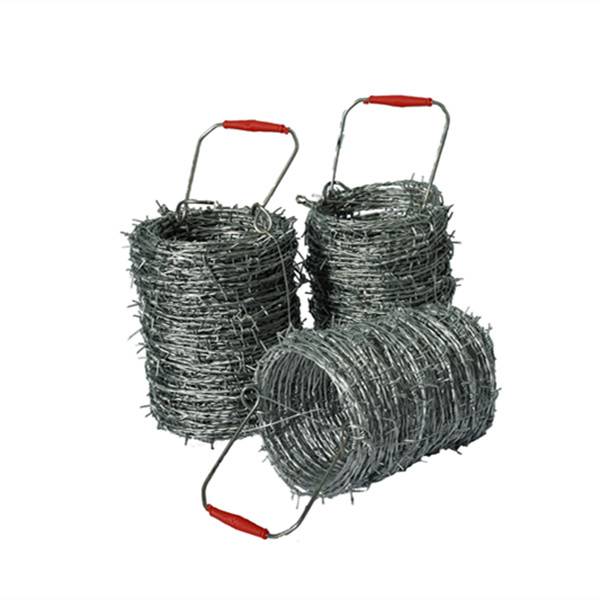
Barbed wire is one of the most common materials used for field fencing due to its low cost and high efficiency in keeping livestock contained. Typically made of steel wire with sharp edges or barbs spaced at regular intervals, it acts as a deterrent against animals trying to escape. Barbed wire fences are relatively easy to install and maintain, making them a favorable option for farmers on a budget. However, they can pose a risk of injury to animals and humans alike, which is a significant consideration.
2. Wire Fencing
Wire fencing comes in various forms, including woven wire, high-tensile wire, and electric wire. Woven wire is made from horizontal and vertical wire strands interwoven to create a strong barrier, making it ideal for containing livestock like cattle and sheep. High-tensile wire is stronger and more resilient than traditional wire, reducing the likelihood of sagging over time. Electric fencing, while not a physical barrier, offers an effective way to deter animals through a mild electric shock. This can be particularly useful in areas with challenging terrains or for controlling aggressive breeds.
3. Wood Fencing
Wood fencing is aesthetically pleasing and offers a more traditional look for farms and estates. It is sturdy and can provide excellent containment. Various types of wood, such as cedar or treated pine, are commonly used due to their natural resistance to decay and insects. However, wooden fences require regular maintenance, including staining or sealing, to prolong their lifespan. Additionally, they tend to be more expensive than wire options, which may be a deterrent for some farmers.
field fencing materials

4. Vinyl Fencing
Vinyl fencing is a modern alternative that has gained popularity for its durability and low maintenance needs. Made from high-quality plastic, vinyl fences do not rot, warp, or require painting, making them an attractive long-term option. They are available in various colors and styles, which can enhance the aesthetic appeal of a property. However, the initial installation cost can be higher compared to traditional materials, and they may not provide the same level of strength as wood or wire options.
5. Chain Link Fencing
Chain link fencing is another popular choice for field fencing, particularly in urban or semi-urban settings. Made from galvanized steel, this type of fencing provides a cost-effective solution for keeping livestock secure while allowing visibility and air circulation. However, it may not be as aesthetically pleasing as wood or vinyl options and can be climbed by determined animals.
6. Composite Fencing
Composite fencing merges wood fibers and recycled plastic, creating a material that mimics the appearance of wood while avoiding the maintenance challenges. It is durable and resistant to rotting and pests, making it a strong contender for rural fencing needs. Like vinyl, composite fencing tends to be more expensive upfront, but its longevity can make it a worthwhile investment.
Conclusion
Choosing the right field fencing material depends on various factors, including budget, property aesthetics, types of livestock, and maintenance capabilities. While materials like barbed wire and woven wire serve practical purposes for livestock containment, wooden and vinyl fencing offers additional aesthetic benefits. Each fencing option has its unique advantages and disadvantages, making it essential for property owners to assess their needs before making a decision. Regardless of the choice, properly installed fencing will ensure the safety of livestock and the integrity of property boundaries.
-
PVC Coated Iron Wire or 3D Fence Panels: Match the Format to the Job
NewsNov.09,2026
-
Garden Wire Fencing PVC Coated: Buyer Questions Answered
NewsNov.03,2026
-
PVC Coated Hexagonal Wire Netting vs. Galvanized Hexagonal Chicken Wire Mesh: Mesh Geometry, Coatings and Installation Requirements
NewsOct.29,2026
-
3D Euro Panel Fence Manufacturer Selection Guide: Opening Size, Wire Diameter and PVC Coated Panel Applications
NewsOct.27,2026
-
Hexagonal Wire Mesh Price: Choosing Gabion Box Mesh by Opening Size, Wire Diameter and Application
NewsOct.27,2026
-
Choosing a Dog Crate: Application Fit and Specification Checks
NewsOct.22,2026