
Sep . 22, 2024 17:54 Back to list
garden boundary edging
Creating Beautiful Garden Boundary Edging A Guide
Garden boundary edging plays a significant role in enhancing the aesthetic appeal of any outdoor space. It serves both functional and decorative purposes, defining the edges of your garden while preventing the mingling of different plant beds. With various materials and styles available, homeowners can create a visually appealing frame that complements their landscape design. Here are some effective ways to create beautiful garden boundary edging.
One of the most popular materials for edging is natural stone. Stone can provide a rustic look, blending seamlessly with the surrounding environment. Whether you opt for larger boulders or smaller cobblestones, natural stone edging creates a sturdy barrier that stands the test of time. Additionally, it can be arranged in various patterns, allowing for creativity in how you frame your garden.
Wood is another common choice for garden edging. Treated timber, logs, or wooden planks can create a warm and inviting boundary. This type of edging works well in traditional gardens, adding a touch of charm. However, it’s essential to choose rot-resistant wood or treat the wood with a protective finish to enhance its longevity.
garden boundary edging
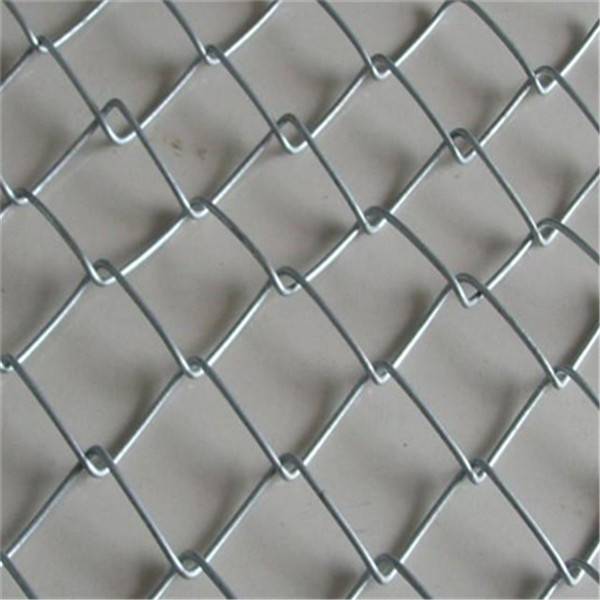
For a modern look, metal edging can be an excellent option. Aluminum or steel strips create clean lines and can be flexibly shaped to follow the contour of your garden beds. Metal edging is durable and can withstand harsh weather conditions, making it a long-lasting choice for your garden.
If you’re looking for an eco-friendly alternative, consider using recycled materials. Salvaged bricks, tiles, or even bottles can serve as unique edging solutions that reflect your personal style. This approach not only reduces waste but also adds character to your garden.
When planning your garden boundary edging, consider the height and depth of the material chosen. Proper installation is crucial to ensure that the edging serves its purpose of preventing grass encroachment into flower beds without creating an unsightly appearance. Moreover, adding mulch or gravel in between the edging and plants can enhance drainage while maintaining a neat look.
In conclusion, garden boundary edging is more than just a practical solution; it’s an opportunity to express your creativity. By choosing the right materials and design, you can elevate the beauty of your garden and create a space that is both functional and visually appealing. Whether you prefer the natural look of stone, the warmth of wood, or the sleekness of metal, suitable edging will undoubtedly enhance your gardening experience.
-
PVC Coated Iron Wire or 3D Fence Panels: Match the Format to the Job
NewsNov.09,2026
-
Garden Wire Fencing PVC Coated: Buyer Questions Answered
NewsNov.03,2026
-
PVC Coated Hexagonal Wire Netting vs. Galvanized Hexagonal Chicken Wire Mesh: Mesh Geometry, Coatings and Installation Requirements
NewsOct.29,2026
-
3D Euro Panel Fence Manufacturer Selection Guide: Opening Size, Wire Diameter and PVC Coated Panel Applications
NewsOct.27,2026
-
Hexagonal Wire Mesh Price: Choosing Gabion Box Mesh by Opening Size, Wire Diameter and Application
NewsOct.27,2026
-
Choosing a Dog Crate: Application Fit and Specification Checks
NewsOct.22,2026