
Nov . 27, 2024 11:31 Back to list
Exploring the Latest Trends in Geriatric Medicine and Health Care Solutions
The term GI Mesh refers to a medical device designed for various surgical applications, particularly in the field of hernia repair and tissue reinforcement. Made from a biocompatible material, GI mesh provides structural support to areas where tissue integrity is compromised. This article explores the significance, types, applications, and benefits of GI mesh in modern medicine.
Hernias are prevalent conditions that occur when an internal organ pushes through a weak spot in the muscle or surrounding tissue. This leads to pain and discomfort, often requiring surgical intervention. Historically, hernia repairs relied on sutures, but this method had its limitations. The introduction of mesh materials revolutionized hernia repair by providing a more resilient solution that effectively reduces the risk of recurrence by reinforcing the surrounding tissue.
.
One of the most significant advantages of GI mesh is its ability to promote faster recovery times and reduce hospitalization periods for patients. The use of mesh in hernia surgery allows surgeons to employ less invasive techniques, such as laparoscopic procedures. These minimally invasive methods not only lower the risk of complications but also enhance patient comfort and satisfaction.
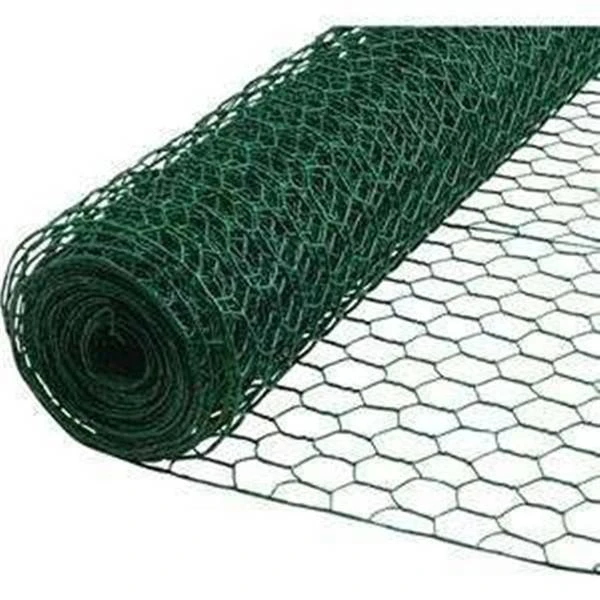
gi mesh
However, the use of GI mesh is not without controversy. Some patients have reported complications such as chronic pain, infection, and mesh migration. These issues emphasize the importance of careful patient selection and thorough preoperative counseling. Surgeons must weigh the risks and benefits of using mesh on a case-by-case basis, taking into consideration the patient’s medical history, the type of hernia, and the surgical approach. Ongoing research and development in the field of GI mesh aim to address these complications, enhancing the design and functionality of mesh materials to optimize patient outcomes.
Moreover, the introduction of absorbable meshes has further expanded the options available to surgeons. These meshes are designed to provide support during the initial healing phase and gradually dissolve as the body heals. This approach minimizes the long-term risks associated with permanent meshes, presenting a compelling option for specific patient populations.
The use of GI mesh transcends beyond hernia repair. It is also utilized in various other surgical procedures, including pelvic floor repair, breast reconstruction, and abdominal wall reconstruction. Each application requires careful consideration of the mesh type and the surgical approach to ensure optimal outcomes.
In conclusion, GI mesh represents a significant advancement in surgical technology, providing essential support in the healing process and allowing for more effective treatment of various medical conditions. The ongoing evolution of mesh design and materials promises to address existing challenges and expand its applications, ultimately improving patient care. As medical professionals continue to refine techniques and educate patients, GI mesh will remain a cornerstone in surgical practice, contributing to better health outcomes and enhanced quality of life.
-
PVC Coated Iron Wire or 3D Fence Panels: Match the Format to the Job
NewsNov.09,2026
-
Garden Wire Fencing PVC Coated: Buyer Questions Answered
NewsNov.03,2026
-
PVC Coated Hexagonal Wire Netting vs. Galvanized Hexagonal Chicken Wire Mesh: Mesh Geometry, Coatings and Installation Requirements
NewsOct.29,2026
-
3D Euro Panel Fence Manufacturer Selection Guide: Opening Size, Wire Diameter and PVC Coated Panel Applications
NewsOct.27,2026
-
Hexagonal Wire Mesh Price: Choosing Gabion Box Mesh by Opening Size, Wire Diameter and Application
NewsOct.27,2026
-
Choosing a Dog Crate: Application Fit and Specification Checks
NewsOct.22,2026