
Dec . 31, 2024 14:31 Back to list
hexagonal fence
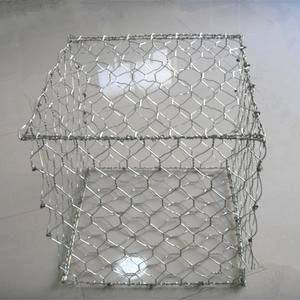
The Hexagonal Fence A Unique Approach to Landscape Design
In the world of landscape architecture and garden design, practitioners are continuously looking for innovative and aesthetically pleasing solutions to enhance outdoor spaces. One such solution that has gained popularity in recent years is the hexagonal fence. This unconventional choice not only serves as a boundary but also adds an intriguing geometric element to the landscape.
The hexagonal fence derives its name from its unique six-sided shape, which distinguishes it from the traditional rectangular or square fencing options. This structure stands out due to its ability to create a visually appealing pattern while maintaining practicality. Utilizing hexagonal panels, one can design a fence that is not only functional but also serves as an artistic statement.
One of the primary benefits of a hexagonal fence is its ability to blend seamlessly with natural surroundings. The shape mimics elements found in nature, such as honeycombs and certain leaf patterns, allowing the fence to complement the organic forms of plants and trees in the garden. This natural harmony makes hexagonal fencing an excellent choice for gardens aiming for a rustic or biodiverse aesthetic.
Additionally, the hexagonal design has functional advantages when it comes to space utilization. The geometry allows for versatile configurations, making it an ideal option for landscaping in areas with irregular terrain. The hexagonal shape can easily adapt to various landscape features, from slopes to curves, without compromising structural integrity or enclosure. Each hexagonal panel can be arranged creatively, allowing property owners to express their personality through the design of their fencing.
hexagonal fence

Moreover, hexagonal fences can enhance privacy while maintaining an open feeling within the landscape. The six-sided configuration can create spaces that feel more enclosed than traditional fencing while allowing light and air to flow more freely. This is especially beneficial in residential areas where homeowners seek to balance privacy with a feeling of openness in their outdoor spaces.
In terms of materials, hexagonal fences can be constructed from various options, including wood, metal, or composite materials. Wood lends a warm and organic look, while metal has a modern, sleek appeal. Composite materials give the opportunity for a low-maintenance option that still retains the aesthetic essence of natural wood or metal. Regardless of the material chosen, the hexagonal design remains visually striking and functional.
The installation of a hexagonal fence can also encourage sustainability in landscaping. With the rise of eco-friendly practices in garden design, using local materials or recycled composites for fencing can reduce the environmental footprint. The hexagonal panels can be designed to allow for the growth of climbing plants, creating a living fence that changes with the seasons. This integration promotes biodiversity by providing habitats for beneficial insects and birds.
Furthermore, the visual appeal of a hexagonal fence makes it an excellent backdrop for showcasing garden features. Garden art, vertical gardens, and climbing plants can be emphasized within the multi-angle structure, creating dynamic visual interactions as light and shadow play across the surfaces.
In conclusion, the hexagonal fence represents a shift towards more innovative, functional, and aesthetically pleasing solutions in landscape design. Its unique geometry, compatibility with natural surroundings, and versatile adaptability make it a compelling choice for homeowners and landscape architects alike. As the demand for creative outdoor spaces continues to grow, the hexagonal fence is set to become a distinguishing feature in contemporary garden design, merging beauty with functionality in a way that resonates with nature. Whether used to define a garden boundary or enhance the visual landscape, the hexagonal fence offers limitless possibilities for expressing one’s style and commitment to nature.
-
PVC Coated Iron Wire or 3D Fence Panels: Match the Format to the Job
NewsNov.09,2026
-
Garden Wire Fencing PVC Coated: Buyer Questions Answered
NewsNov.03,2026
-
PVC Coated Hexagonal Wire Netting vs. Galvanized Hexagonal Chicken Wire Mesh: Mesh Geometry, Coatings and Installation Requirements
NewsOct.29,2026
-
3D Euro Panel Fence Manufacturer Selection Guide: Opening Size, Wire Diameter and PVC Coated Panel Applications
NewsOct.27,2026
-
Hexagonal Wire Mesh Price: Choosing Gabion Box Mesh by Opening Size, Wire Diameter and Application
NewsOct.27,2026
-
Choosing a Dog Crate: Application Fit and Specification Checks
NewsOct.22,2026