
Oct . 22, 2024 11:18 Back to list
Guide to Setting Up Field Fencing for Optimal Livestock Management and Security
Installing Field Fencing A Comprehensive Guide
Field fencing is an essential aspect of managing agricultural land, animal husbandry, and even recreational areas. Whether you’re aiming to protect crops from wildlife, keep livestock from straying, or create a boundary for personal property, knowing how to install field fencing can save you time, money, and effort in the long run. This article will guide you through the process of selecting and installing field fencing effectively.
Step 1 Choosing the Right Type of Fencing
Before you begin the installation, it’s crucial to select the right type of field fencing that meets your specific needs. There are several types of fencing to consider, including barbed wire, welded wire, electric fencing, and ranch-style fencing.
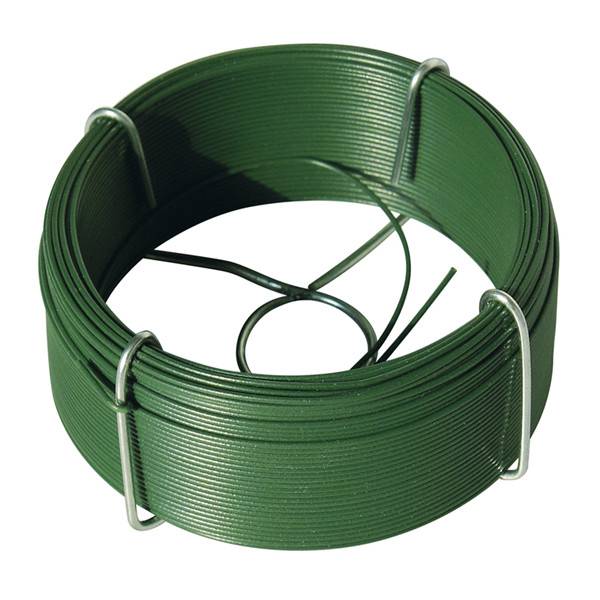
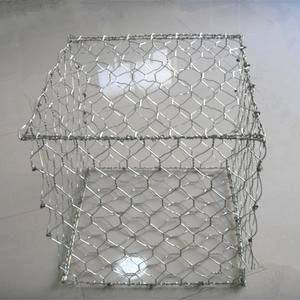
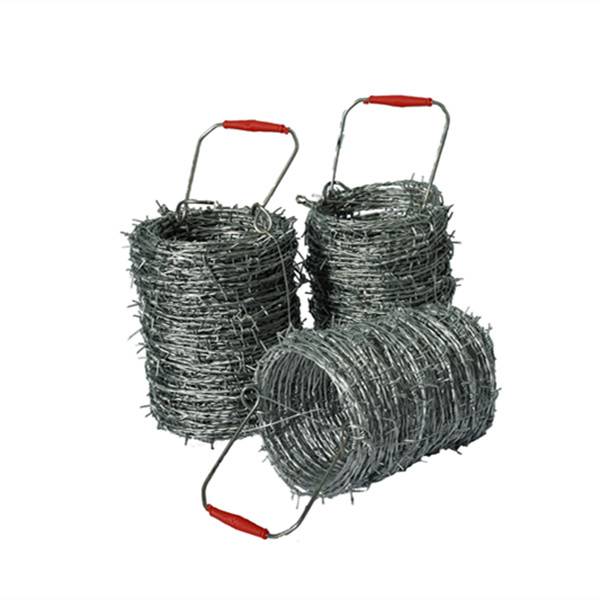
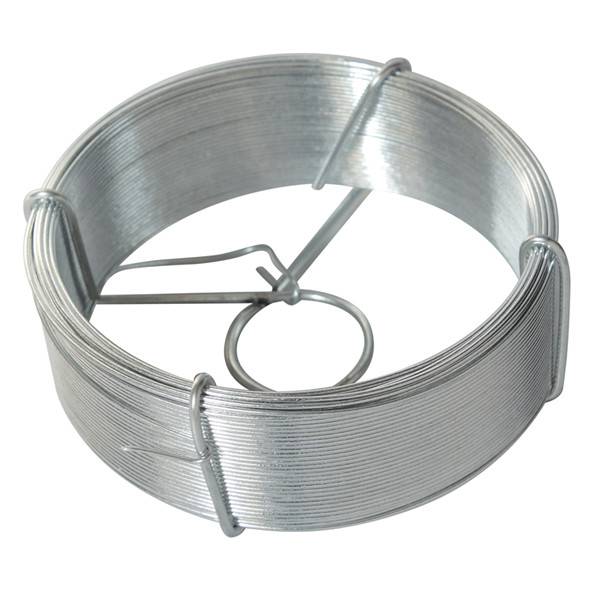
- Barbed Wire Fencing This is popular for cattle and larger livestock. It is affordable and effective in keeping animals contained but can be hazardous for smaller animals and pets. - Welded Wire Fencing This type is sturdy and ideal for smaller animals such as sheep or goats. Its strength and durability make it a long-term investment.
- Electric Fencing This is often used for a variety of animals and can be quite effective. It deters animals without the need for physical barriers, making it a flexible option. However, it does require a power source.
- Ranch-Style Fencing This aesthetically pleasing option presents a classic look often utilized in horse farms and estates. While it may be more expensive, it also offers a high level of visibility and safety for animals.
Step 2 Planning Your Fence Line
Once you’ve chosen the fencing material, it’s time to plan your fence line. Consider the shape of the area you want to enclose and mark the corners using stakes. Use a measuring tape to ensure that the distances between posts are consistent, generally ranging from 8 to 12 feet apart.
Additionally, consider the terrain of your land
. If you’re working on uneven ground, you may need to adjust the height of the fence at various points to maintain a secure enclosure.Step 3 Gathering Materials and Tools
installing field fencing

Before you start the installation, gather all necessary materials and tools. Common supplies include
- Fencing material (rolls or panels) - Fence posts (wood, metal, or vinyl) - Concrete (if setting in posts) - Staples or fence ties (to attach the fencing) - A post driver or a post hole digger - A level, measuring tape, and wire cutters
Step 4 Installing the Fence Posts
Begin by digging holes for your fence posts. For wooden or metal posts, the holes should be one-third the length of the post. If using concrete, pour it into the hole after placing the post, ensuring it is plumb (straight up and down) with the help of your level.
Allow the concrete to set according to the manufacturer’s instructions, usually 24 to 48 hours.
Step 5 Attaching the Fencing Material
Once the posts are in place, it’s time to attach the fencing material. If using welded wire or barbed wire, start at one corner post and stretch the material tightly, securing it with staples or ties. If installing electric fencing, ensure that you follow the manufacturer's guidelines for setup to ensure proper operation.
Step 6 Final Touches and Maintenance
After the fencing is installed, inspect the entire structure for any loose areas or gaps. Regular maintenance is essential for longevity. Check for rust, wear, and tightness, particularly if you’re using electric fencing, to ensure it’s functioning correctly.
Conclusion
Installing field fencing may seem like a daunting task, but with careful planning and the right materials, it can be a rewarding and efficient project. Not only does it enhance the security of your property, but it also plays a crucial role in responsible land and animal management. Happy fencing!
-
PVC Coated Iron Wire or 3D Fence Panels: Match the Format to the Job
NewsNov.09,2026
-
Garden Wire Fencing PVC Coated: Buyer Questions Answered
NewsNov.03,2026
-
PVC Coated Hexagonal Wire Netting vs. Galvanized Hexagonal Chicken Wire Mesh: Mesh Geometry, Coatings and Installation Requirements
NewsOct.29,2026
-
3D Euro Panel Fence Manufacturer Selection Guide: Opening Size, Wire Diameter and PVC Coated Panel Applications
NewsOct.27,2026
-
Hexagonal Wire Mesh Price: Choosing Gabion Box Mesh by Opening Size, Wire Diameter and Application
NewsOct.27,2026
-
Choosing a Dog Crate: Application Fit and Specification Checks
NewsOct.22,2026