
Sep . 22, 2024 03:12 Back to list
60 field fence
The Importance of Field Fencing Ensuring Safety and Security
In the realm of agriculture, livestock management, and even home gardening, field fencing plays a pivotal role in ensuring safety and security. The term 60% field fence can be interpreted as a key factor that often gets overlooked but is indispensable for various reasons. This article will explore the significance of field fencing, particularly focusing on its efficiency, durability, and the benefits it brings to rural life.
The Importance of Field Fencing Ensuring Safety and Security
Moreover, field fencing acts as a protective barrier against external threats. Predators such as coyotes, wolves, and even stray dogs can pose a considerable risk to livestock. A well-constructed field fence can deter these animals, providing a safe environment for animals. This protective aspect is particularly crucial in areas where livestock predation is common, offering farmers peace of mind and reducing the potential loss of their animals.
60 field fence

Another significant advantage of field fencing is its role in defining property boundaries. Clear boundaries help mitigate disputes between neighboring landowners. When property lines are well-marked by fences, there is less chance of encroachment or unintentional trespassing. This clarity fosters better relationships among the community, reducing friction and enhancing cooperation among neighbors.
From a practical standpoint, field fencing is also integral to better pasture management. It allows farmers to rotate grazing areas, giving specific pastures time to recover and regenerate. This practice not only improves the quality of grasslands but also helps in sustainable livestock management and soil health. Thus, the right type of field fence can have a long-lasting impact on the productivity of farmland.
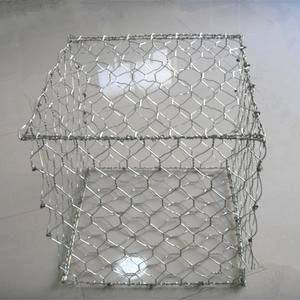
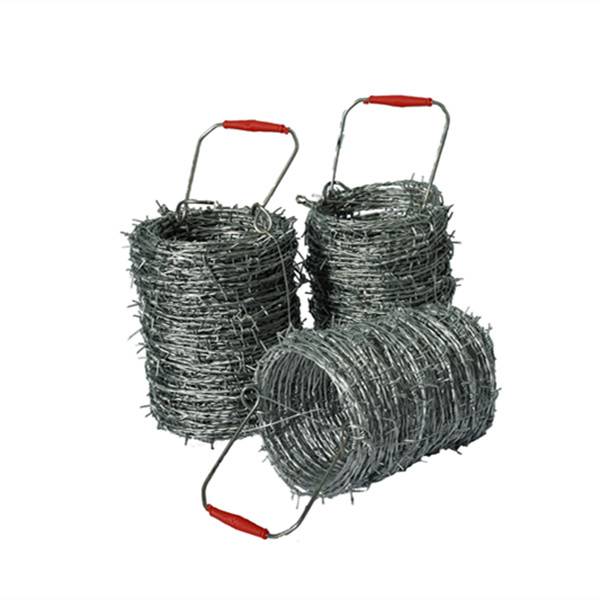
In terms of material selection, there is a plethora of options available, including barbed wire, woven wire, and electric fencing. Each type of fence presents its benefits, and choosing the right one largely depends on the specific needs of the land and the type of livestock being contained. For instance, while barbed wire is effective for larger animals like cattle, woven wire may be better suited for smaller livestock such as sheep and goats.
In conclusion, field fencing is not just a physical barrier; it is a vital component of livestock management, property security, and community relationships. Its ability to ensure the safety of animals, protect against external threats, and define land boundaries makes it indispensable in rural life. Investing in quality field fencing can have lasting benefits, promoting responsible agricultural practices and enriching the rural community as a whole.
-
How to Choose Chain Link Fence for Mesh Size, Wire and Use
NewsNov.23,2026
-
Garden Border Fence or Steel Palisade Gate: Which Fit Suits Your Site?
NewsNov.17,2026
-
PVC Coated Iron Wire or 3D Fence Panels: Match the Format to the Job
NewsNov.09,2026
-
Garden Wire Fencing PVC Coated: Buyer Questions Answered
NewsNov.03,2026
-
PVC Coated Hexagonal Wire Netting vs. Galvanized Hexagonal Chicken Wire Mesh: Mesh Geometry, Coatings and Installation Requirements
NewsOct.29,2026
-
3D Euro Panel Fence Manufacturer Selection Guide: Opening Size, Wire Diameter and PVC Coated Panel Applications
NewsOct.27,2026