
Oct . 30, 2024 15:41 Back to list
razor wire fence price
Understanding Razor Wire Fence Prices An Overview
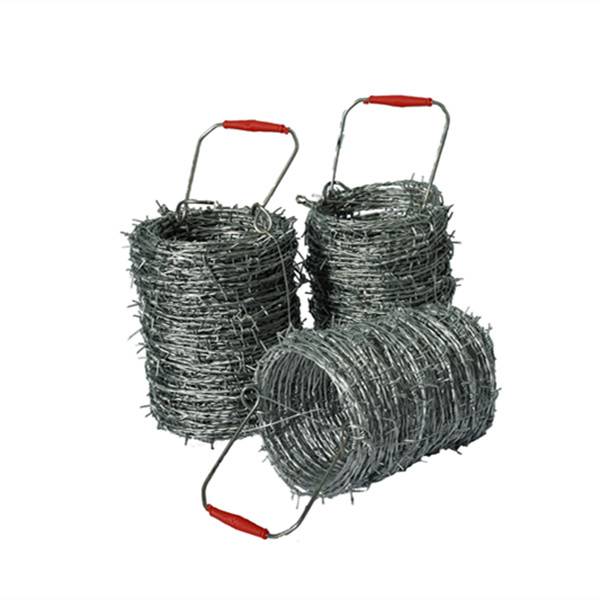
Razor wire fences have become a popular choice for security and perimeter protection in various settings, including residential properties, commercial establishments, and industrial facilities. Known for their effectiveness in deterring intruders and providing a strong visual barrier, understanding the pricing of razor wire fences is essential for anyone considering this type of security solution.
The price of a razor wire fence can vary significantly based on several factors, including materials, height, installation costs, and regional market conditions. Generally, the cost can range from $1 to $3 per linear foot for the material alone. However, additional expenses related to installation and maintenance must also be considered.
Material Costs
The primary materials used in razor wire fencing include galvanized steel, stainless steel, and barbed wire. Galvanized steel is the most common choice due to its affordability and resistance to corrosion. Stainless steel, while more expensive, provides superior durability and weather resistance, making it suitable for harsh environments. The thickness of the wire and the number of coils also influence the overall cost. Typically, higher-quality materials come with a higher price tag but offer better longevity and effectiveness.
Installation Expenses
Installation costs can vary widely depending on the complexity of the project and the local labor rates. On average, installation can add an additional $5 to $10 per linear foot. Factors that can affect installation costs include the terrain—if the land is uneven or requires additional preparation, costs can increase. Additionally, if a professional contractor is hired, their rates will be factored into the overall price.
razor wire fence price

Regional Variations
Geographic location plays a significant role in pricing. Areas with higher demand for security fencing may see elevated prices due to increased competition and higher labor costs. Conversely, regions where razor wire is less common may offer more competitive pricing as businesses seek to expand their market share.
Permitting and Regulations
Before installation, it is crucial to check local regulations and zoning laws related to razor wire use. Some municipalities may have restrictions on the height of fences or the type of materials used, which can impact overall costs if modifications need to be made. Permits might also carry an additional fee, further affecting the price.
Conclusion
In summary, while the initial material cost of a razor wire fence may seem reasonable, it is essential to account for installation, permits, and potential ongoing maintenance when budgeting for such a security solution. Understanding these factors can help property owners make informed decisions, ensuring that they invest wisely in securing their premises while keeping costs manageable. Always consult with local suppliers and contractors to get quotes tailored to specific needs and regional conditions.
-
PVC Coated Iron Wire or 3D Fence Panels: Match the Format to the Job
NewsNov.09,2026
-
Garden Wire Fencing PVC Coated: Buyer Questions Answered
NewsNov.03,2026
-
PVC Coated Hexagonal Wire Netting vs. Galvanized Hexagonal Chicken Wire Mesh: Mesh Geometry, Coatings and Installation Requirements
NewsOct.29,2026
-
3D Euro Panel Fence Manufacturer Selection Guide: Opening Size, Wire Diameter and PVC Coated Panel Applications
NewsOct.27,2026
-
Hexagonal Wire Mesh Price: Choosing Gabion Box Mesh by Opening Size, Wire Diameter and Application
NewsOct.27,2026
-
Choosing a Dog Crate: Application Fit and Specification Checks
NewsOct.22,2026