
Dec . 25, 2024 15:18 Back to list
Understanding the Legalities of Using Razor Wire in Property Security
Understanding Razor Wire Legal Implications and Uses
Razor wire, known for its sharp edges and barbed design, has become an essential component in various security measures across the globe. It is predominantly used in prisons, military installations, and high-security facilities to deter unauthorized access. However, the legality surrounding its use can be complex and varies significantly by jurisdiction. This article explores the legal implications, appropriate uses, and regulatory considerations surrounding razor wire.
What is Razor Wire?
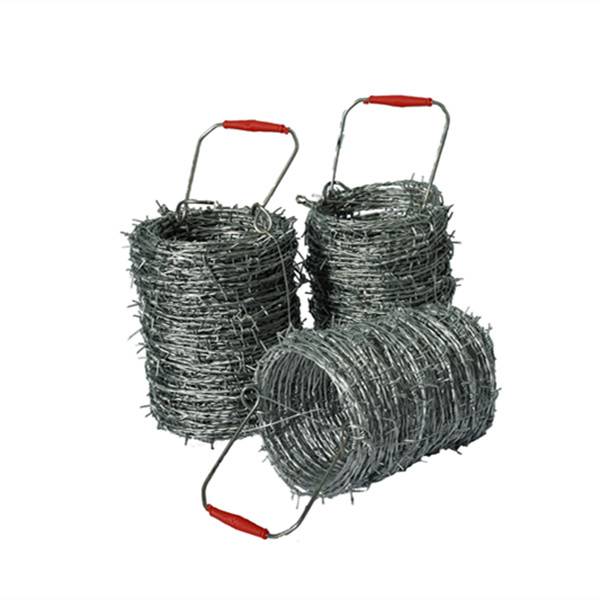
Razor wire consists of sharp blades or barbs attached to a wire strand, making it a formidable barrier against intruders. It is often seen coiling around fences and property lines, signaling a heightened level of security. The primary purpose of razor wire is to prevent breach attempts while providing a visible indicator of restricted access. However, its hazardous design raises questions about legality, especially in residential areas.
Legal Framework and Regulations
The legality of installing razor wire is governed by a series of local, state, and federal regulations. General considerations include
1. Zoning Laws Many municipalities have specific zoning ordinances that restrict the use of razor wire in residential areas. These laws are often designed to maintain neighborhood aesthetics and ensure public safety.
2. Building Codes Construction and safety codes may outline where and how razor wire can be installed, particularly in commercial or industrial zones. Compliance with these codes is crucial to avoid legal ramifications.
3. Liability Issues Property owners may face potential liability claims if individuals are injured by razor wire. In cases where razor wire is used, the property owner must ensure adequate warning signs are posted and sufficiently mitigate risks to avoid negligence claims.
4. Use in Prisons and Facilities The use of razor wire in correctional facilities is generally accepted and regulated by specific security protocols. These protocols ensure that the wire is used effectively to secure dangerous areas while adhering to legislative requirements.
razor wire legal
Appropriate Uses of Razor Wire
While razor wire has its advantages as a security measure, it is essential to use it appropriately. Some recommended applications include
- High-Security Perimeters Institutions such as prisons, military bases, and research facilities utilize razor wire effectively to prevent escape or unauthorized entry.
- Industrial Sites Factories and warehouses often incorporate razor wire where security is paramount to protect valuable assets and sensitive information.
- Event Security Temporary installations of razor wire may be used during high-profile events to restrict access to certain areas.
Community Considerations
In community settings, the use of razor wire can evoke public concerns. Residents may view it as an eyesore or a sign of impending danger, potentially affecting property values. As a result, community outreach and consideration for public opinion are important when planning to install razor wire in residential areas. Homeowners associations or community boards may impose restrictions or guidelines to maintain neighborhood harmony.
Conclusion
Razor wire serves as a potent security tool but comes with a host of legal implications that must be carefully navigated. Understanding local zoning laws, building codes, and potential liabilities is crucial for anyone considering its use. While appropriate for high-security areas, property owners must weigh the necessity against community impact and safety concerns. As laws continue to evolve, staying informed and compliant with regulations surrounding razor wire use is essential for maintaining security while respecting community standards. Ultimately, the proper use of razor wire can enhance safety, but it must be balanced with legal, aesthetic, and ethical considerations to ensure responsible implementation.
-
PVC Coated Iron Wire or 3D Fence Panels: Match the Format to the Job
NewsNov.09,2026
-
Garden Wire Fencing PVC Coated: Buyer Questions Answered
NewsNov.03,2026
-
PVC Coated Hexagonal Wire Netting vs. Galvanized Hexagonal Chicken Wire Mesh: Mesh Geometry, Coatings and Installation Requirements
NewsOct.29,2026
-
3D Euro Panel Fence Manufacturer Selection Guide: Opening Size, Wire Diameter and PVC Coated Panel Applications
NewsOct.27,2026
-
Hexagonal Wire Mesh Price: Choosing Gabion Box Mesh by Opening Size, Wire Diameter and Application
NewsOct.27,2026
-
Choosing a Dog Crate: Application Fit and Specification Checks
NewsOct.22,2026