
Dec . 01, 2024 17:41 Back to list
Understanding the Legal Regulations Surrounding Razor Wire Use and Installation
Understanding the Legalities of Razor Wire A Comprehensive Overview
Razor wire, often associated with high-security perimeters, has become a common feature in various settings, from correctional facilities to private properties. However, the use of razor wire is not without its legal implications. This article aims to discuss the legal considerations surrounding the installation and use of razor wire, highlighting relevant regulations and potential liabilities.
What is Razor Wire?
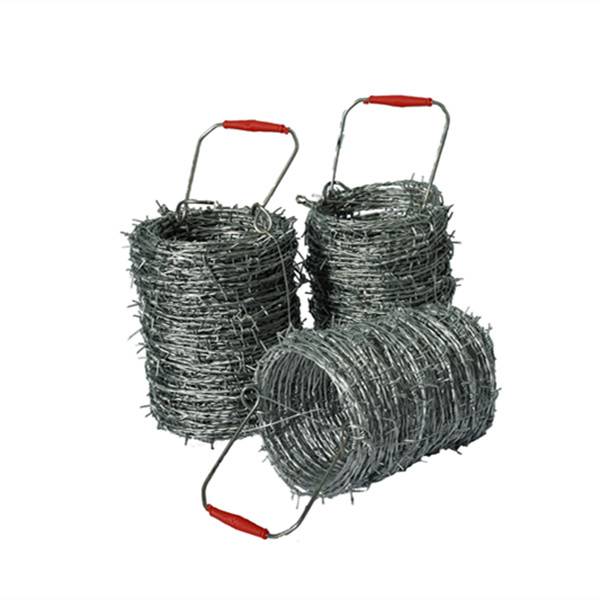
Razor wire, also known as concertina wire, is a type of fencing that consists of sharp-edged metal strips. Designed to deter intruders, it is widely regarded for its effectiveness in securing high-risk areas. Although it serves a crucial security purpose, the legal aspects of its use can be quite complex.
Legal Regulations
The legality of installing razor wire varies significantly across jurisdictions. In many places, local laws and regulations dictate the use of such security measures. Key considerations generally include
1. Zoning Laws Zoning ordinances often dictate what types of structures and security measures can be used in specific areas. In residential zones, for instance, the use of razor wire may be restricted or prohibited to preserve the aesthetic appeal of the community and to ensure the safety of neighbors.
2. Height Restrictions Many jurisdictions have regulations regarding the height of fences and barriers. Razor wire, which can significantly increase the height of a fence, must comply with these regulations to avoid legal issues.
3. Safety Standards The installation of razor wire must adhere to safety standards to prevent accidents. For example, municipalities may require that razor wire be installed at a certain height to prevent injury to passersby, including children and pets.
Potential Liability Issues
Property owners who choose to install razor wire must also be aware of potential liabilities. For instance
razor wire legal

1. Trespassers While razor wire is designed to deter unauthorized entry, it could also pose legal risks if a trespasser is injured while attempting to climb over or through the fencing. Courts have held property owners liable for injuries sustained by trespassers, particularly if it is found that the wire was installed in a manner that was excessively hazardous.
2. Negligence Claims If a property owner fails to maintain the razor wire properly, leading to injuries, they may face negligence claims. Regular inspections and maintenance are crucial in this regard to mitigate such risks.
3. Local Crime Trends The installation of razor wire may send a message to the community about crime rates. If crime rates are low, the presence of razor wire might invite scrutiny and backlash from residents who perceive it as an aggressive security measure.
Best Practices for Compliance
To navigate the legal landscape surrounding razor wire effectively, property owners should consider the following best practices
- Consult Local Ordinances Before installing razor wire, it is critical to consult local laws and regulations to ensure compliance with zoning ordinances and safety standards.
- Professional Installation Hiring a professional for the installation can help ensure that the wire is set up correctly and safely, minimizing the risks of injuries and legal liabilities.
- Community Engagement Engaging with the local community about security concerns can foster goodwill and address any negative perceptions associated with razor wire. This dialogue may encourage collaborative approaches to enhancing safety without provoking fear or dissatisfaction among neighbors.
Conclusion
While razor wire serves a significant purpose in securing properties, it comes with a plethora of legal implications that must be navigated carefully. By understanding local regulations and being aware of potential liabilities, property owners can use razor wire effectively and responsibly. Ultimately, the goal should be to enhance security cooperatively while ensuring the safety and well-being of the surrounding community.
-
PVC Coated Iron Wire or 3D Fence Panels: Match the Format to the Job
NewsNov.09,2026
-
Garden Wire Fencing PVC Coated: Buyer Questions Answered
NewsNov.03,2026
-
PVC Coated Hexagonal Wire Netting vs. Galvanized Hexagonal Chicken Wire Mesh: Mesh Geometry, Coatings and Installation Requirements
NewsOct.29,2026
-
3D Euro Panel Fence Manufacturer Selection Guide: Opening Size, Wire Diameter and PVC Coated Panel Applications
NewsOct.27,2026
-
Hexagonal Wire Mesh Price: Choosing Gabion Box Mesh by Opening Size, Wire Diameter and Application
NewsOct.27,2026
-
Choosing a Dog Crate: Application Fit and Specification Checks
NewsOct.22,2026